Here is a comprehensive blog post based on your detailed outline, aiming for approximately 2000 words and incorporating all your specified requirements.
---
The year 2025 is shaping up to be a pivotal moment in how we perceive and utilize energy. Across the globe, we're witnessing a confluence of factors driving a significant shift: escalating energy demands, increasing concerns about the stability of our traditional power grids, and a growing personal desire for energy independence. In this dynamic landscape, one technology is quietly but steadily capturing the attention of homeowners, outdoor enthusiasts, and businesses alike: the dual fuel generator. For those who have experienced the inconvenience and disruption of power outages, or who simply seek greater control over their energy supply, the limitations of single-fuel solutions are becoming increasingly apparent. This article will delve into why dual fuel generators are not just a trend, but a smart, forward-thinking choice for a wide array of needs in the evolving energy market of 2025.
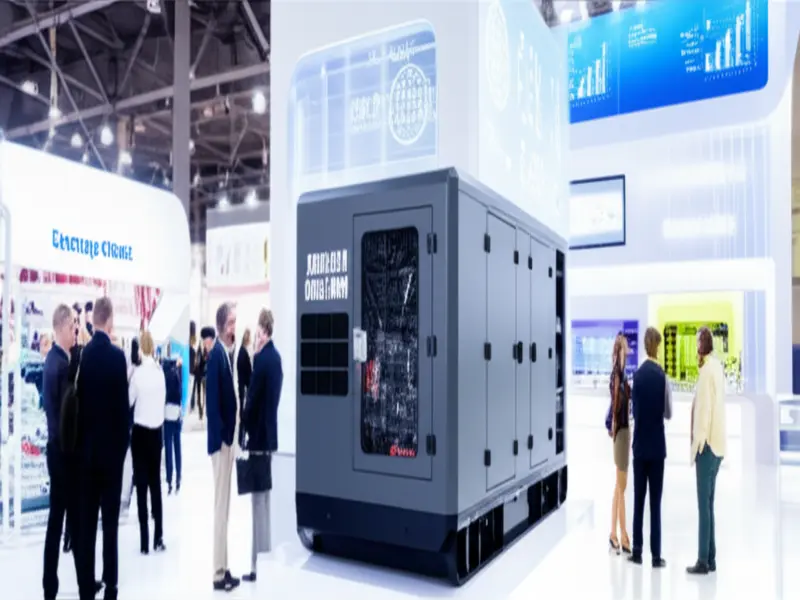
It’s no secret that our reliance on electricity has never been greater. From the ever-increasing number of smart devices and electric vehicles to the fundamental operations of our homes and businesses, power is the lifeblood of modern society. However, this ever-growing demand is placing unprecedented strain on existing energy infrastructure.
The digital age has ushered in an era of constant connectivity and technological integration. Our homes are smarter, our workplaces are more automated, and our entertainment is streamed seamlessly. This translates directly into a higher per-capita energy consumption. Simultaneously, the global energy grid, often built decades ago, is struggling to keep pace. A combination of factors contributes to this vulnerability:
* Extreme Weather Events: As climate patterns become more unpredictable, we are seeing an increase in severe weather events – hurricanes, blizzards, heatwaves – that can cripple power lines and substations, leading to widespread and prolonged outages. Reports from the U.S. Energy Information Administration (EIA) consistently highlight the impact of weather on grid reliability. * Aging Infrastructure: Much of the world's electrical grid infrastructure is nearing the end of its intended lifespan. Without significant investment in modernization and upgrades, these systems are more prone to failures. * Increased Load from Electrification: The push towards electrification, particularly with electric vehicles (EVs) and the decarbonization of heating systems, adds a substantial new load to the grid, especially during peak hours.
These vulnerabilities mean that power outages are not just a rare inconvenience; they are becoming a more frequent and impactful reality for many. This reality is driving a significant portion of the population to seek reliable backup power solutions.
In response to grid instability and the rising cost of electricity, a strong desire for energy independence and personal preparedness is sweeping across demographics. People are no longer content to be entirely at the mercy of utility companies. They want the assurance that their homes will remain powered, their food will stay cold, and their essential services will function, regardless of external circumstances.
This sentiment is amplified by:
* Rising Utility Costs: Inflation and increased demand are pushing energy prices upward, making consistent grid power a more significant financial burden for households and businesses. * Desire for Self-Sufficiency: There's a growing cultural emphasis on self-reliance. Owning a backup power source is a tangible way individuals can take control of their energy future. * Recent Disruptions: Major power outages, whether due to natural disasters or infrastructure failures, serve as stark reminders of our dependence on the grid and spur immediate interest in reliable alternatives. For instance, following significant weather events, searches for backup power solutions often surge by hundreds of percent.
Fortunately, the technology behind generators has not stood still. Modern generators are significantly more advanced, efficient, and user-friendly than their predecessors. Innovations in engine design have led to quieter operation, improved fuel efficiency, and reduced emissions. Furthermore, the integration of smart technologies is making generators easier to monitor and control. This technological evolution makes solutions like dual fuel generators more practical and appealing than ever before. If you’re curious about the different types of generators available, understanding their core technology is a great starting point.
At its core, the appeal of a dual fuel generator lies in its inherent flexibility. It’s a technology designed to offer the advantages of two distinct fuel sources, providing a robust solution for a variety of power needs.
A dual fuel generator is an electrical power generation unit capable of operating on two different types of fuel. The most common combination, and the one we will focus on, is the ability to run on both gasoline and propane (also known as liquefied petroleum gas or LPG). These generators are engineered with two separate fuel inlets and a system that allows the user to seamlessly switch between them, either manually or automatically, depending on the model. The engine management system adjusts fuel delivery and combustion parameters to optimize performance for the selected fuel.
The ability to utilize two fuel sources offers a compelling set of benefits that set dual fuel generators apart.
This is arguably the most significant advantage. Having the option to run on either gasoline or propane provides unparalleled convenience and adaptability.
* Gasoline: It's the most common fuel for portable generators and is readily available at virtually any gas station. Gasoline offers a high energy density, meaning it can provide a lot of power for its volume. However, its shelf life is limited, and it can degrade over time, especially if not stored properly with fuel stabilizers. * Propane (LPG): Propane offers several distinct advantages. It has an almost indefinite shelf life when stored in approved tanks, making it an excellent choice for emergency preparedness. Propane burns cleaner than gasoline, leading to fewer emissions and potentially longer engine life due to reduced carbon buildup. It's also easier to store in tanks, which are widely available and can be refilled. In colder climates, propane’s performance is often more stable than gasoline.
The flexibility means that if one fuel source becomes scarce or prohibitively expensive, you have a reliable backup. This is particularly valuable during widespread emergencies when gasoline supplies might be disrupted.
The dual-fuel capability directly translates to enhanced reliability and extended uptime. Imagine a scenario where a prolonged power outage coincides with a spike in gasoline prices or a shortage at local stations. With a dual fuel generator, you can simply switch to propane, ensuring your power supply remains uninterrupted. Conversely, if propane tanks are depleted, you can refuel with readily available gasoline. This redundancy is critical for applications where continuous power is non-negotiable, such as powering medical equipment or critical business operations.
Use Case Example: Consider a homeowner who relies on their generator during hurricane season. They might initially fill their generator's gasoline tank for immediate use. However, if the storm causes widespread damage and gasoline stations are closed for days, they can easily switch to a propane tank that they have stored safely on their property, guaranteeing continued power for their refrigerator, lights, and essential medical devices.
The economic benefits of dual fuel generators can be substantial over their lifespan. Fuel prices fluctuate constantly. By having the option to choose the more economical fuel at any given time, you can significantly reduce operating costs.
* Price Volatility: When gasoline prices surge, propane might become the more cost-effective option. Conversely, if propane prices rise, gasoline might offer better value. A dual-fuel generator allows you to adapt to market conditions. * Reduced Waste: Propane's long shelf life means you don't have to worry about fuel degrading and becoming unusable, which can happen with gasoline stored for extended periods. This prevents the waste of both fuel and money.
While the initial purchase price of a dual fuel generator might be slightly higher than a comparable single-fuel model, the long-term savings on fuel and the enhanced reliability often make it a more economical choice in the long run.
Dual fuel generators come in various forms, broadly categorized into two main types:
* Portable Dual Fuel Generators: These are the most common type for home backup and recreational use. They are designed to be moved around and are typically used to power essential appliances during outages or to provide power at campsites, RVs, or job sites. They range in wattage from small units that can power a few devices to larger models capable of running a significant portion of a home's electrical needs. * Standby Dual Fuel Generators: These are permanently installed outside a home or business and are connected directly to the electrical system. They automatically switch on when grid power is lost and can power an entire house or facility. While less common in the dual-fuel configuration compared to single-fuel natural gas or propane models, they are available and offer the ultimate in convenience and reliability.
Understanding the pros and cons of each fuel type can help you make an informed decision.
The growing popularity of dual fuel generators is not just anecdotal; it's a discernible trend supported by market data and consumer behavior.
Industry analysts and market research firms are observing a significant uptick in the demand for dual fuel generators. While specific figures can vary by region and reporting agency, the consensus is that these versatile units are capturing an increasing share of the portable power generation market. Forecasts suggest continued robust growth in this segment as consumers prioritize preparedness and energy independence. This trend is driven by the inherent advantages we've discussed, coupled with increased consumer awareness.
The appeal of dual fuel generators extends across a broad spectrum of users, each with their unique motivations:
For homeowners, the primary driver is peace of mind. The ability to maintain essential services – refrigeration, lighting, heating/cooling, communication devices, and medical equipment – during power outages is paramount. Dual fuel generators offer this assurance by providing flexibility in fuel sourcing, which is critical during prolonged disruptions. They represent a significant investment in home security and comfort.
The recreational vehicle (RV) community and outdoor adventurers have long appreciated the convenience of propane for its ease of use and availability. Dual fuel generators allow them to leverage this while also having gasoline as a backup option, especially when traveling in areas where propane refills might be less accessible. They provide essential power for appliances, charging devices, and creating a comfortable living space away from the grid.
For small businesses, particularly those in remote locations or operating in sectors susceptible to power interruptions (like agriculture or construction), uninterrupted power is crucial for productivity and revenue. Dual fuel generators provide a reliable solution, ensuring that critical machinery, point-of-sale systems, and communication networks remain operational. The flexibility to choose the most economical fuel source also contributes to operational cost management.
While not always the primary driver, the cleaner-burning nature of propane is an attractive feature for environmentally conscious consumers. Propane produces fewer greenhouse gas emissions and particulate matter compared to gasoline. For those looking to minimize their environmental footprint, even in their backup power solutions, dual fuel generators offer a more sustainable option when running on propane.
Beyond the dual-fuel capability itself, several other features are influencing consumer purchasing decisions in 2025:
* Wattage Output: Consumers need to determine the total power requirement for their essential appliances. Generators are rated in watts, and choosing the right size is crucial. * Inverter Technology: Inverter generators produce clean, stable power that is safe for sensitive electronics like laptops, smartphones, and flat-screen TVs. This is a significant upgrade from older conventional generators that could damage such devices. * Noise Levels: With increasing awareness of noise pollution, quieter generators are highly sought after, especially for residential use. Inverter generators are typically much quieter than conventional models. * Portability: For portable models, weight, wheel kits, and ergonomic handles are important considerations for ease of transport. * Smart Connectivity: Some advanced models offer Wi-Fi or Bluetooth connectivity, allowing users to monitor fuel levels, runtime, and generator status remotely via a smartphone app.
Understanding the differences between inverter and conventional generators can help you select the type of power output best suited for your needs.
The versatility of dual fuel generators means they can be deployed in a multitude of scenarios, offering practical solutions for everyday challenges and emergency preparedness.
The most common and perhaps most critical application for dual fuel generators is providing backup power to a home. During a power outage, a properly sized generator can keep essential systems running, ensuring comfort and safety.
* Essential Appliances: Depending on the generator's wattage, you can power refrigerators and freezers to prevent food spoilage, keep lights on, run sump pumps to prevent basement flooding, power fans or even HVAC systems for temperature control, and charge communication devices to stay informed. * Peace of Mind: Knowing you have a reliable backup power source can significantly reduce the stress and anxiety associated with power outages. It allows you to maintain a semblance of normalcy during disruptive events.
Example: Imagine a winter storm that knocks out power for 48 hours. A dual fuel generator running on propane can keep your furnace running (if it's compatible), your refrigerator cold, and your essential lights on. You can also use it to charge your phones and laptops, allowing you to stay connected with family and emergency services. This level of preparedness is invaluable.
Beyond home backup, dual fuel generators are indispensable tools for those who embrace an active lifestyle or require power in off-grid locations.
* Camping and RVing: They provide the convenience of electricity for charging batteries, running small appliances, and powering lights, making remote camping or RVing more comfortable and enjoyable. * Tailgating and Events: Powering sound systems, portable refrigerators, or even small cooking appliances at outdoor events. * Job Sites and Remote Work: For construction sites or individuals working remotely from locations without grid access, a generator is essential for powering tools, equipment, and laptops, ensuring productivity.
The ease of connecting standard propane tanks makes them particularly convenient for these applications.
While dual fuel generators offer flexibility, safe and proper fuel storage and generator operation are paramount.
* Shelf Life: Gasoline degrades over time, typically within 3-6 months if not treated with a fuel stabilizer. * Storage: Store gasoline in approved, sealed containers in a cool, dry, well-ventilated area away from ignition sources. Never store it indoors.
* Longevity: Propane has a virtually unlimited shelf life when stored correctly. * Storage: Propane tanks should be stored upright in a well-ventilated area, away from direct sunlight and heat sources. Ensure tanks are secured to prevent tipping. Always follow local regulations for propane storage.
* Ventilation: NEVER operate a generator indoors, in a garage, or in any enclosed space, including near windows or doors. Generators produce carbon monoxide (CO), a colorless, odorless, and deadly gas. * Carbon Monoxide Detectors: Install battery-operated CO detectors with battery backup inside your home. * Grounding: Ensure your generator is properly grounded according to the manufacturer's instructions and local electrical codes. * Weather Protection: Protect your generator from the elements, but ensure adequate airflow for cooling and exhaust. * Fueling: Turn off the generator and allow it to cool completely before refueling.
For comprehensive safety guidelines, always consult resources from reputable organizations. For instance, the Consumer Product Safety Commission (CPSC) provides vital information on generator safety.
Like any mechanical device, dual fuel generators require regular maintenance to ensure optimal performance and longevity. This includes:
* Regular Oil Changes: Following the manufacturer's recommended intervals. * Air Filter Cleaning/Replacement: To ensure efficient engine operation. * Spark Plug Inspection/Replacement: For reliable ignition. * Fuel System Checks: Ensuring both gasoline and propane lines are clean and free of obstructions.
Consistent maintenance, regardless of the fuel type used, will significantly extend the life of your generator and ensure it's ready when you need it most. If you're looking for detailed guidance, a comprehensive generator maintenance guide can be incredibly helpful.
As we look ahead, dual fuel generators are poised to play an even more significant role in our energy landscape, potentially integrating with emerging technologies and contributing to a more resilient and sustainable energy future.
The rise of solar panels and other renewable energy sources is a positive step towards decarbonization. However, these sources are inherently intermittent – solar power is only available when the sun shines, and wind power fluctuates. Dual fuel generators can serve as a crucial complementary technology, providing reliable backup power during periods of low renewable energy generation. Imagine a home with solar panels that uses a dual fuel generator to seamlessly fill the gap during cloudy days or at night, ensuring continuous power without relying solely on the grid.
The innovation in generator technology is far from over. We can expect to see:
* Improved Fuel Efficiency: Manufacturers will continue to refine engine designs to extract more power from less fuel. * Quieter Operation: Further reductions in noise levels will make generators more neighbor-friendly and suitable for a wider range of applications. * Advanced Smart Controls: Enhanced connectivity, predictive maintenance alerts, and integration with home energy management systems will become more common, offering users greater control and convenience.
While dual fuel generators offer a robust solution, their environmental impact is also a consideration. When running on propane, they offer a cleaner-burning alternative to gasoline, contributing to reduced air pollution. As the energy sector continues its transition towards sustainability, technologies that offer flexibility and reduce reliance on fossil fuels while also providing essential backup are likely to gain further traction. The U.S. Environmental Protection Agency (EPA) provides valuable data on the environmental impact of various energy sources, which can offer further context.
In 2025, the energy market is undeniably in flux, marked by increasing demands, grid vulnerabilities, and a strong consumer desire for control and preparedness. Amidst these shifts, dual fuel generators have emerged as a compelling and increasingly popular solution. Their ability to run on both gasoline and propane offers unparalleled fuel flexibility, enhanced reliability, and potential long-term cost savings.
From powering essential home appliances during outages to enabling adventures off the beaten path and supporting remote operations, the practical applications of dual fuel generators are vast. They represent a smart investment for anyone seeking dependable backup power, energy independence, and peace of mind in an unpredictable world. As technology continues to advance and our energy needs evolve, dual fuel generators are well-positioned to remain a vital component of a resilient and adaptable energy ecosystem.
Thinking about your next power solution? Explore the advantages of dual fuel generators further to see if they're the right fit for your needs. Whether for home preparedness, recreational pursuits, or business continuity, the versatility and reliability of these units make them a standout choice in today's energy market. For those looking to compare some of the best heavy-duty generators available, including dual-fuel options, resources like Garden Item Reviews' guide to the best heavy-duty generators can offer valuable insights.
---
---
Dual Fuel Generators Gain Attention in the 2025 Energy Market
The year 2025 is shaping up to be a pivotal moment in how we perceive and utilize energy. Across the globe, we're witnessing a confluence of factors driving a significant shift: escalating energy demands, increasing concerns about the stability of our traditional power grids, and a growing personal desire for energy independence. In this dynamic landscape, one technology is quietly but steadily capturing the attention of homeowners, outdoor enthusiasts, and businesses alike: the dual fuel generator. For those who have experienced the inconvenience and disruption of power outages, or who simply seek greater control over their energy supply, the limitations of single-fuel solutions are becoming increasingly apparent. This article will delve into why dual fuel generators are not just a trend, but a smart, forward-thinking choice for a wide array of needs in the evolving energy market of 2025.
The Shifting Energy Landscape: Why Now?
It’s no secret that our reliance on electricity has never been greater. From the ever-increasing number of smart devices and electric vehicles to the fundamental operations of our homes and businesses, power is the lifeblood of modern society. However, this ever-growing demand is placing unprecedented strain on existing energy infrastructure.
Growing Energy Demands and Grid Vulnerabilities
The digital age has ushered in an era of constant connectivity and technological integration. Our homes are smarter, our workplaces are more automated, and our entertainment is streamed seamlessly. This translates directly into a higher per-capita energy consumption. Simultaneously, the global energy grid, often built decades ago, is struggling to keep pace. A combination of factors contributes to this vulnerability:
* Extreme Weather Events: As climate patterns become more unpredictable, we are seeing an increase in severe weather events – hurricanes, blizzards, heatwaves – that can cripple power lines and substations, leading to widespread and prolonged outages. Reports from the U.S. Energy Information Administration (EIA) consistently highlight the impact of weather on grid reliability. * Aging Infrastructure: Much of the world's electrical grid infrastructure is nearing the end of its intended lifespan. Without significant investment in modernization and upgrades, these systems are more prone to failures. * Increased Load from Electrification: The push towards electrification, particularly with electric vehicles (EVs) and the decarbonization of heating systems, adds a substantial new load to the grid, especially during peak hours.
These vulnerabilities mean that power outages are not just a rare inconvenience; they are becoming a more frequent and impactful reality for many. This reality is driving a significant portion of the population to seek reliable backup power solutions.
The Rise of Energy Independence and Preparedness
In response to grid instability and the rising cost of electricity, a strong desire for energy independence and personal preparedness is sweeping across demographics. People are no longer content to be entirely at the mercy of utility companies. They want the assurance that their homes will remain powered, their food will stay cold, and their essential services will function, regardless of external circumstances.
This sentiment is amplified by:
* Rising Utility Costs: Inflation and increased demand are pushing energy prices upward, making consistent grid power a more significant financial burden for households and businesses. * Desire for Self-Sufficiency: There's a growing cultural emphasis on self-reliance. Owning a backup power source is a tangible way individuals can take control of their energy future. * Recent Disruptions: Major power outages, whether due to natural disasters or infrastructure failures, serve as stark reminders of our dependence on the grid and spur immediate interest in reliable alternatives. For instance, following significant weather events, searches for backup power solutions often surge by hundreds of percent.
Technological Advancements Driving Innovation
Fortunately, the technology behind generators has not stood still. Modern generators are significantly more advanced, efficient, and user-friendly than their predecessors. Innovations in engine design have led to quieter operation, improved fuel efficiency, and reduced emissions. Furthermore, the integration of smart technologies is making generators easier to monitor and control. This technological evolution makes solutions like dual fuel generators more practical and appealing than ever before. If you’re curious about the different types of generators available, understanding their core technology is a great starting point.
Understanding Dual Fuel Generators: The Best of Both Worlds
At its core, the appeal of a dual fuel generator lies in its inherent flexibility. It’s a technology designed to offer the advantages of two distinct fuel sources, providing a robust solution for a variety of power needs.
What Exactly is a Dual Fuel Generator?
A dual fuel generator is an electrical power generation unit capable of operating on two different types of fuel. The most common combination, and the one we will focus on, is the ability to run on both gasoline and propane (also known as liquefied petroleum gas or LPG). These generators are engineered with two separate fuel inlets and a system that allows the user to seamlessly switch between them, either manually or automatically, depending on the model. The engine management system adjusts fuel delivery and combustion parameters to optimize performance for the selected fuel.
Key Advantages of Dual Fuel Technology
The ability to utilize two fuel sources offers a compelling set of benefits that set dual fuel generators apart.
Fuel Flexibility and Accessibility
This is arguably the most significant advantage. Having the option to run on either gasoline or propane provides unparalleled convenience and adaptability.
* Gasoline: It's the most common fuel for portable generators and is readily available at virtually any gas station. Gasoline offers a high energy density, meaning it can provide a lot of power for its volume. However, its shelf life is limited, and it can degrade over time, especially if not stored properly with fuel stabilizers. * Propane (LPG): Propane offers several distinct advantages. It has an almost indefinite shelf life when stored in approved tanks, making it an excellent choice for emergency preparedness. Propane burns cleaner than gasoline, leading to fewer emissions and potentially longer engine life due to reduced carbon buildup. It's also easier to store in tanks, which are widely available and can be refilled. In colder climates, propane’s performance is often more stable than gasoline.
The flexibility means that if one fuel source becomes scarce or prohibitively expensive, you have a reliable backup. This is particularly valuable during widespread emergencies when gasoline supplies might be disrupted.
Enhanced Reliability and Uptime
The dual-fuel capability directly translates to enhanced reliability and extended uptime. Imagine a scenario where a prolonged power outage coincides with a spike in gasoline prices or a shortage at local stations. With a dual fuel generator, you can simply switch to propane, ensuring your power supply remains uninterrupted. Conversely, if propane tanks are depleted, you can refuel with readily available gasoline. This redundancy is critical for applications where continuous power is non-negotiable, such as powering medical equipment or critical business operations.
Use Case Example: Consider a homeowner who relies on their generator during hurricane season. They might initially fill their generator's gasoline tank for immediate use. However, if the storm causes widespread damage and gasoline stations are closed for days, they can easily switch to a propane tank that they have stored safely on their property, guaranteeing continued power for their refrigerator, lights, and essential medical devices.
Cost-Effectiveness and Long-Term Savings
The economic benefits of dual fuel generators can be substantial over their lifespan. Fuel prices fluctuate constantly. By having the option to choose the more economical fuel at any given time, you can significantly reduce operating costs.
* Price Volatility: When gasoline prices surge, propane might become the more cost-effective option. Conversely, if propane prices rise, gasoline might offer better value. A dual-fuel generator allows you to adapt to market conditions. * Reduced Waste: Propane's long shelf life means you don't have to worry about fuel degrading and becoming unusable, which can happen with gasoline stored for extended periods. This prevents the waste of both fuel and money.
While the initial purchase price of a dual fuel generator might be slightly higher than a comparable single-fuel model, the long-term savings on fuel and the enhanced reliability often make it a more economical choice in the long run.
Common Dual Fuel Generator Types
Dual fuel generators come in various forms, broadly categorized into two main types:
* Portable Dual Fuel Generators: These are the most common type for home backup and recreational use. They are designed to be moved around and are typically used to power essential appliances during outages or to provide power at campsites, RVs, or job sites. They range in wattage from small units that can power a few devices to larger models capable of running a significant portion of a home's electrical needs. * Standby Dual Fuel Generators: These are permanently installed outside a home or business and are connected directly to the electrical system. They automatically switch on when grid power is lost and can power an entire house or facility. While less common in the dual-fuel configuration compared to single-fuel natural gas or propane models, they are available and offer the ultimate in convenience and reliability.
Understanding the pros and cons of each fuel type can help you make an informed decision.
Market Trends and Consumer Demand in 2025
The growing popularity of dual fuel generators is not just anecdotal; it's a discernible trend supported by market data and consumer behavior.
The Growing Market Share of Dual Fuel Models
Industry analysts and market research firms are observing a significant uptick in the demand for dual fuel generators. While specific figures can vary by region and reporting agency, the consensus is that these versatile units are capturing an increasing share of the portable power generation market. Forecasts suggest continued robust growth in this segment as consumers prioritize preparedness and energy independence. This trend is driven by the inherent advantages we've discussed, coupled with increased consumer awareness.
Who is Buying Dual Fuel Generators and Why?
The appeal of dual fuel generators extends across a broad spectrum of users, each with their unique motivations:
Homeowners Seeking Preparedness
For homeowners, the primary driver is peace of mind. The ability to maintain essential services – refrigeration, lighting, heating/cooling, communication devices, and medical equipment – during power outages is paramount. Dual fuel generators offer this assurance by providing flexibility in fuel sourcing, which is critical during prolonged disruptions. They represent a significant investment in home security and comfort.
RV and Outdoor Enthusiasts
The recreational vehicle (RV) community and outdoor adventurers have long appreciated the convenience of propane for its ease of use and availability. Dual fuel generators allow them to leverage this while also having gasoline as a backup option, especially when traveling in areas where propane refills might be less accessible. They provide essential power for appliances, charging devices, and creating a comfortable living space away from the grid.
Small Businesses and Remote Operations
For small businesses, particularly those in remote locations or operating in sectors susceptible to power interruptions (like agriculture or construction), uninterrupted power is crucial for productivity and revenue. Dual fuel generators provide a reliable solution, ensuring that critical machinery, point-of-sale systems, and communication networks remain operational. The flexibility to choose the most economical fuel source also contributes to operational cost management.
Environmentally Conscious Consumers
While not always the primary driver, the cleaner-burning nature of propane is an attractive feature for environmentally conscious consumers. Propane produces fewer greenhouse gas emissions and particulate matter compared to gasoline. For those looking to minimize their environmental footprint, even in their backup power solutions, dual fuel generators offer a more sustainable option when running on propane.
Key Features Driving Consumer Choice
Beyond the dual-fuel capability itself, several other features are influencing consumer purchasing decisions in 2025:
* Wattage Output: Consumers need to determine the total power requirement for their essential appliances. Generators are rated in watts, and choosing the right size is crucial. * Inverter Technology: Inverter generators produce clean, stable power that is safe for sensitive electronics like laptops, smartphones, and flat-screen TVs. This is a significant upgrade from older conventional generators that could damage such devices. * Noise Levels: With increasing awareness of noise pollution, quieter generators are highly sought after, especially for residential use. Inverter generators are typically much quieter than conventional models. * Portability: For portable models, weight, wheel kits, and ergonomic handles are important considerations for ease of transport. * Smart Connectivity: Some advanced models offer Wi-Fi or Bluetooth connectivity, allowing users to monitor fuel levels, runtime, and generator status remotely via a smartphone app.
Understanding the differences between inverter and conventional generators can help you select the type of power output best suited for your needs.
Navigating the Benefits: Practical Applications and Considerations
The versatility of dual fuel generators means they can be deployed in a multitude of scenarios, offering practical solutions for everyday challenges and emergency preparedness.
Powering Your Home During an Outage
The most common and perhaps most critical application for dual fuel generators is providing backup power to a home. During a power outage, a properly sized generator can keep essential systems running, ensuring comfort and safety.
* Essential Appliances: Depending on the generator's wattage, you can power refrigerators and freezers to prevent food spoilage, keep lights on, run sump pumps to prevent basement flooding, power fans or even HVAC systems for temperature control, and charge communication devices to stay informed. * Peace of Mind: Knowing you have a reliable backup power source can significantly reduce the stress and anxiety associated with power outages. It allows you to maintain a semblance of normalcy during disruptive events.
Example: Imagine a winter storm that knocks out power for 48 hours. A dual fuel generator running on propane can keep your furnace running (if it's compatible), your refrigerator cold, and your essential lights on. You can also use it to charge your phones and laptops, allowing you to stay connected with family and emergency services. This level of preparedness is invaluable.
Enhancing Outdoor Adventures and Remote Work
Beyond home backup, dual fuel generators are indispensable tools for those who embrace an active lifestyle or require power in off-grid locations.
* Camping and RVing: They provide the convenience of electricity for charging batteries, running small appliances, and powering lights, making remote camping or RVing more comfortable and enjoyable. * Tailgating and Events: Powering sound systems, portable refrigerators, or even small cooking appliances at outdoor events. * Job Sites and Remote Work: For construction sites or individuals working remotely from locations without grid access, a generator is essential for powering tools, equipment, and laptops, ensuring productivity.
The ease of connecting standard propane tanks makes them particularly convenient for these applications.
Fuel Storage and Safety Best Practices
While dual fuel generators offer flexibility, safe and proper fuel storage and generator operation are paramount.
Gasoline Storage
* Shelf Life: Gasoline degrades over time, typically within 3-6 months if not treated with a fuel stabilizer. * Storage: Store gasoline in approved, sealed containers in a cool, dry, well-ventilated area away from ignition sources. Never store it indoors.
Propane Storage
* Longevity: Propane has a virtually unlimited shelf life when stored correctly. * Storage: Propane tanks should be stored upright in a well-ventilated area, away from direct sunlight and heat sources. Ensure tanks are secured to prevent tipping. Always follow local regulations for propane storage.
Generator Safety
* Ventilation: NEVER operate a generator indoors, in a garage, or in any enclosed space, including near windows or doors. Generators produce carbon monoxide (CO), a colorless, odorless, and deadly gas. * Carbon Monoxide Detectors: Install battery-operated CO detectors with battery backup inside your home. * Grounding: Ensure your generator is properly grounded according to the manufacturer's instructions and local electrical codes. * Weather Protection: Protect your generator from the elements, but ensure adequate airflow for cooling and exhaust. * Fueling: Turn off the generator and allow it to cool completely before refueling.
For comprehensive safety guidelines, always consult resources from reputable organizations. For instance, the Consumer Product Safety Commission (CPSC) provides vital information on generator safety.
Maintenance and Longevity
Like any mechanical device, dual fuel generators require regular maintenance to ensure optimal performance and longevity. This includes:
* Regular Oil Changes: Following the manufacturer's recommended intervals. * Air Filter Cleaning/Replacement: To ensure efficient engine operation. * Spark Plug Inspection/Replacement: For reliable ignition. * Fuel System Checks: Ensuring both gasoline and propane lines are clean and free of obstructions.
Consistent maintenance, regardless of the fuel type used, will significantly extend the life of your generator and ensure it's ready when you need it most. If you're looking for detailed guidance, a comprehensive generator maintenance guide can be incredibly helpful.
The Future of Dual Fuel Generators in the Energy Ecosystem
As we look ahead, dual fuel generators are poised to play an even more significant role in our energy landscape, potentially integrating with emerging technologies and contributing to a more resilient and sustainable energy future.
Integration with Renewable Energy Sources
The rise of solar panels and other renewable energy sources is a positive step towards decarbonization. However, these sources are inherently intermittent – solar power is only available when the sun shines, and wind power fluctuates. Dual fuel generators can serve as a crucial complementary technology, providing reliable backup power during periods of low renewable energy generation. Imagine a home with solar panels that uses a dual fuel generator to seamlessly fill the gap during cloudy days or at night, ensuring continuous power without relying solely on the grid.
Evolving Technologies and Smart Features
The innovation in generator technology is far from over. We can expect to see:
* Improved Fuel Efficiency: Manufacturers will continue to refine engine designs to extract more power from less fuel. * Quieter Operation: Further reductions in noise levels will make generators more neighbor-friendly and suitable for a wider range of applications. * Advanced Smart Controls: Enhanced connectivity, predictive maintenance alerts, and integration with home energy management systems will become more common, offering users greater control and convenience.
Sustainability and Environmental Impact
While dual fuel generators offer a robust solution, their environmental impact is also a consideration. When running on propane, they offer a cleaner-burning alternative to gasoline, contributing to reduced air pollution. As the energy sector continues its transition towards sustainability, technologies that offer flexibility and reduce reliance on fossil fuels while also providing essential backup are likely to gain further traction. The U.S. Environmental Protection Agency (EPA) provides valuable data on the environmental impact of various energy sources, which can offer further context.
Conclusion
In 2025, the energy market is undeniably in flux, marked by increasing demands, grid vulnerabilities, and a strong consumer desire for control and preparedness. Amidst these shifts, dual fuel generators have emerged as a compelling and increasingly popular solution. Their ability to run on both gasoline and propane offers unparalleled fuel flexibility, enhanced reliability, and potential long-term cost savings.
From powering essential home appliances during outages to enabling adventures off the beaten path and supporting remote operations, the practical applications of dual fuel generators are vast. They represent a smart investment for anyone seeking dependable backup power, energy independence, and peace of mind in an unpredictable world. As technology continues to advance and our energy needs evolve, dual fuel generators are well-positioned to remain a vital component of a resilient and adaptable energy ecosystem.
Thinking about your next power solution? Explore the advantages of dual fuel generators further to see if they're the right fit for your needs. Whether for home preparedness, recreational pursuits, or business continuity, the versatility and reliability of these units make them a standout choice in today's energy market. For those looking to compare some of the best heavy-duty generators available, including dual-fuel options, resources like Garden Item Reviews' guide to the best heavy-duty generators can offer valuable insights.
---
Comments
Post a Comment