Homeowners Invest in Generators Under $500 Amid Rising Outages
The flickering lights, the sudden silence, the spoiled groceries – we’ve all experienced the disruptive reality of a power outage. In recent years, these unwelcome interruptions have become more frequent and prolonged, leaving homeowners scrambling for solutions. As the grid faces increasing strain from extreme weather, aging infrastructure, and rising demand, the need for reliable backup power is no longer a luxury but a growing necessity. This has spurred a significant trend: homeowners are increasingly investing in affordable backup power solutions, with generators under 500 for home emerging as a popular and accessible choice.
This article will delve into why this surge in interest for budget-friendly generators is happening, what crucial features to look for when considering these units, and how to make a smart purchase that provides essential power and peace of mind. We’ll explore the practicalities of powering your home essentials without breaking the bank, ensuring you're better prepared for whatever the grid throws your way.
The Unpredictable Grid: Understanding the Rise in Power Disruptions
The days of predictable, stable power supply seem to be a fading memory for many. A confluence of factors is contributing to an alarming increase in power outages across the nation, impacting millions of households and disrupting daily life. Understanding these underlying causes is crucial for appreciating why homeowners are proactively seeking solutions like generators under 500 for home.
Climate Change and Extreme Weather Events
One of the most significant drivers behind the rise in power disruptions is the escalating impact of climate change. We are witnessing an unprecedented surge in the frequency and intensity of extreme weather events. Hurricanes, with their destructive winds and flooding, can cripple vast sections of the power grid for days or even weeks. Ice storms, while perhaps less dramatic, can bring down power lines under the weight of accumulated ice, causing widespread and long-lasting outages. Similarly, intense heatwaves place immense pressure on the grid as demand for air conditioning skyrockets, leading to brownouts and blackouts.
Beyond direct weather impacts, the infrastructure supporting our electricity supply is often aging and ill-equipped to handle these new climatic realities. Many power lines and substations were built decades ago, designed for a less demanding era. The constant battering from severe weather takes its toll, leading to failures that cascade through the system.
Increased Demand and Grid Strain
The growing global population and our ever-increasing reliance on electricity for virtually every aspect of modern life contribute significantly to grid strain. From our smartphones and laptops to electric vehicles and smart home devices, our appetite for power continues to grow. This escalating demand, especially during peak usage times, pushes the grid to its limits.
The integration of renewable energy sources, while crucial for a sustainable future, also presents challenges. While solar and wind power are becoming more prevalent, their intermittent nature requires sophisticated grid management to ensure a constant and stable supply. Balancing these variable sources with traditional power generation can be complex, and any misstep can lead to instability and outages.
Real-World Impact on Homeowners
The consequences of these power outages are far from trivial. For homeowners, a loss of electricity means more than just dim lighting. It can lead to:
* Spoiled Food: Refrigerators and freezers stop working, leading to significant financial loss and food waste. * Lack of Heating and Cooling: During extreme temperatures, this can become a serious health hazard, especially for vulnerable individuals. * Inability to Work Remotely: With more people working from home, a power outage can mean lost productivity and missed deadlines. * Security Concerns: Loss of lighting and security systems can make homes feel vulnerable. * Disruption to Daily Routines: From charging essential devices to cooking and basic sanitation, everyday tasks become challenging.
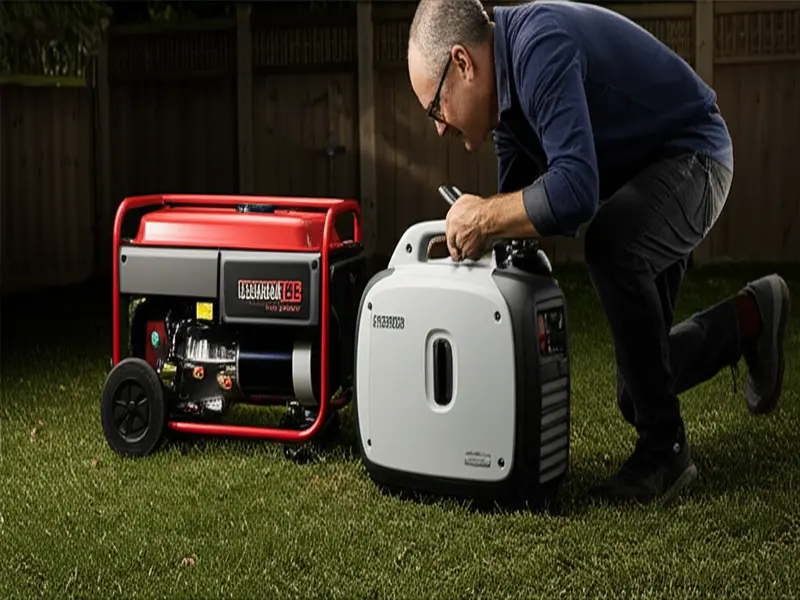
The increasing unpredictability of our power supply means that being prepared is no longer optional. This is where the appeal of accessible backup power solutions, particularly generators under 500 for home, truly shines.
Affordable Power: The Appeal of Generators Under $500
In the face of rising power outage concerns, the idea of investing in a backup generator might seem like an expensive proposition. However, the market has responded to this growing need with a range of affordable options that are making essential backup power accessible to a wider audience. This is precisely why generators under 500 for home are gaining significant traction.
Cost-Effectiveness as a Primary Driver
For many homeowners, the cost of a full-scale standby generator, which can easily run into thousands of dollars, is simply out of reach. These larger units offer whole-house power but come with a hefty price tag and often require professional installation. This is where generators priced under $500 offer a compelling alternative. They represent an accessible entry point into the world of backup power, allowing individuals and families to secure essential electricity without a major financial commitment. This democratization of backup power ensures that more people can gain a measure of security and preparedness.
Meeting Essential Needs
It's important to understand that generators under $500 are typically designed to power essential appliances, not to run your entire household. This is a crucial distinction that makes them practical and affordable. With a well-chosen unit, you can typically power:
* Refrigeration: Keeping your food from spoiling is often a top priority. * Lighting: Ensuring you have light during dark hours is vital for safety and comfort. * Phone and Device Charging: Staying connected with family and emergency services is paramount. * Small Fans or Heaters: Providing a basic level of comfort during temperature extremes. * Medical Devices: For those who rely on electricity for critical medical equipment, even limited power can be life-saving.
The focus here is on "keeping the essentials running," providing a lifeline during an outage rather than replicating your full grid connection. This targeted approach makes these budget generators incredibly valuable.
Portability and Ease of Use
A significant advantage of many generators under 500 for home is their portability. These units are generally smaller and lighter than their larger counterparts, making them easy to move around your property or even take with you on camping trips or to other locations where temporary power is needed. This flexibility is a major selling point.
Furthermore, manufacturers are increasingly designing these generators for straightforward setup and operation. While some basic knowledge is always required, many models feature intuitive controls and clear instructions, making them user-friendly even for those who have never operated a generator before. This ease of use reduces the intimidation factor and encourages adoption.
The combination of affordability, the ability to power critical items, and user-friendly design makes generators under $500 a smart and increasingly popular choice for homeowners looking to enhance their preparedness against the growing threat of power outages.
Decoding the Specs: Essential Features for Your Budget Generator
When you're in the market for a generator under $500, it's crucial to understand the key specifications that will determine its performance and suitability for your needs. Don't let the budget price fool you; these units can offer reliable backup power if you know what to look for.
Power Output (Wattage): The Heart of the Generator
The most critical specification for any generator is its power output, measured in watts. This tells you how much electricity the generator can produce.
Running Watts vs. Starting Watts
You'll encounter two types of wattage ratings:
* Running Watts (or Rated Watts): This is the continuous power the generator can supply. It's what you need to consider for appliances that will run for extended periods. * Starting Watts (or Surge Watts): Many appliances, especially those with electric motors (like refrigerators, pumps, or power tools), require a significant surge of power for a few seconds to start up. The starting wattage is higher than the running wattage and is crucial for these items.
Calculating Your Needs
To determine the right generator size, you need to estimate the wattage of the essential appliances you plan to power. Here's a simplified guide:
* Refrigerator: ~100-200 running watts, ~500-800 starting watts * Lights (LED): ~5-10 watts per bulb * Phone Charger: ~5-15 watts * Laptop: ~50-100 watts * Small Fan: ~50-100 running watts, ~100-200 starting watts * Microwave: ~800-1200 running watts, ~1200-1500 starting watts (can be a stretch for sub-$500 models)
Example: If you want to power a refrigerator (let's say 150 running watts and 700 starting watts) and some LED lights (30 watts total), your total running wattage need would be 180 watts. However, you must account for the highest starting wattage, which is 700 watts for the refrigerator. Therefore, you'd need a generator with at least 700 starting watts and ideally more running watts to accommodate other small devices. Always aim for a generator with a higher wattage than your calculated maximum to avoid overloading.
Fuel Type and Runtime
The fuel source and tank size directly impact how long your generator can operate.
Gasoline
Gasoline is the most common fuel for generators in this price range. Its primary advantage is availability; gasoline is widely accessible. However, it requires careful storage, has a limited shelf life, and produces exhaust fumes that necessitate outdoor operation.
Propane (less common but possible)
While less common in the sub-$500 category, some generators might offer propane compatibility. Propane burns cleaner than gasoline and can be stored for longer periods without degradation. However, it requires managing propane tanks, which can add another layer of complexity.
Runtime
Runtime refers to how long a generator can operate on a single tank of fuel. This is determined by the fuel tank's capacity and the generator's fuel efficiency (how much fuel it consumes per hour at a given load). A larger fuel tank generally means a longer runtime, but also a heavier unit. When comparing models, check the runtime specifications at 50% load, as this is a common benchmark.
Inverter vs. Conventional Generators
The type of generator technology is another important consideration.
Conventional Generators
These are the more traditional, often louder, and less refined generators. They produce "dirty" power, meaning the electricity's frequency and voltage can fluctuate. They are suitable for powering basic appliances and tools that aren't sensitive to power fluctuations.
Inverter Generators
Inverter generators produce a much cleaner, more stable sine wave of electricity, similar to what you get from your wall outlet. This makes them ideal for sensitive electronics like laptops, smartphones, and modern flat-screen TVs. While true inverter generators are often above the $500 mark, some manufacturers may offer more basic or smaller inverter models that fall within this budget, or you might find conventional generators with some basic voltage regulation. If you plan to power sensitive electronics, an inverter generator is highly recommended, even if it means stretching your budget slightly or opting for a smaller unit.
Safety Features
Safety should never be compromised, even with budget-friendly options. Look for these essential safety features:
* Low Oil Shut-off: This crucial feature automatically shuts down the engine when the oil level drops too low, preventing catastrophic engine damage. * Circuit Breakers: These protect the generator and connected appliances from overloads by automatically shutting off power if too much current is drawn. * Grounding: Proper grounding is essential for electrical safety, preventing shock hazards. Ensure the generator has a grounding terminal and follow manufacturer instructions for proper grounding.
By understanding these specifications, you can make an informed decision and select a generator under $500 that effectively meets your essential backup power needs while prioritizing safety.
Making the Smart Choice: Practical Tips for Purchasing Generators Under $500
Navigating the world of budget generators can feel overwhelming, but with a strategic approach, you can find a reliable unit that offers excellent value. Here are practical tips to guide your purchase of generators under 500 for home.
Brand Reputation and Reviews
In the budget segment, brand reputation and customer reviews become even more critical. While top-tier brands might be out of reach, many reputable manufacturers offer solid entry-level models.
* Research Brands: Look for brands that are known for producing reliable small engines or power equipment. Companies like Westinghouse, Champion, Honda (though often pricier), and even some lesser-known but well-reviewed brands can be good starting points. * Read Customer Reviews: Don't just look at the star rating; dive into the reviews. Pay attention to comments about: * Ease of starting and operation. * Actual runtime and fuel consumption. * Performance during power outages. * Durability and any common issues encountered. * Customer service and warranty support. * Cross-Reference: Check reviews on multiple platforms – retailer websites (Amazon, Home Depot, Lowe's), dedicated review sites, and forums. This gives you a more balanced perspective.
Noise Levels
Generators, especially conventional ones, can be noisy. This is a significant factor, particularly if you have close neighbors or live in a quiet residential area.
* Decibel (dB) Ratings: Manufacturers usually provide a decibel rating, often measured at a specific distance (e.g., 23 feet or 7 meters). For comparison: * A normal conversation is around 60 dB. * A vacuum cleaner is around 70-80 dB. * Many conventional generators can range from 65 dB to over 90 dB. * Inverter Advantage: Inverter generators are generally much quieter, often operating in the 50-60 dB range, making them a better choice for noise-sensitive environments. * Consider Placement: Even with a noisier generator, strategic placement can help mitigate the impact.
Maintenance and Longevity
Even a budget generator requires some basic maintenance to ensure it runs reliably when you need it most. Understanding these requirements will help you choose a unit that you can realistically maintain.
Basic Maintenance
Most gasoline generators will require:
* Oil Changes: Regular oil changes are essential for engine lubrication and longevity. * Air Filter Cleaning/Replacement: A clean air filter ensures the engine gets proper airflow for efficient combustion. * Spark Plug Inspection/Replacement: A healthy spark plug is vital for ignition. * Fuel System Maintenance: Running the carburetor dry after use or using a fuel stabilizer can prevent gumming and ensure easier starting.
Warranty
Always check the warranty period and what it covers. A longer warranty, even on a budget model, can provide extra peace of mind. Understand what constitutes normal wear and tear versus a manufacturing defect.

Where to Buy
The accessibility of generators under 500 for home is enhanced by the various purchasing options available.
* Online Retailers: Websites like Amazon, Home Depot, and Lowe's offer a vast selection, competitive pricing, and the convenience of home delivery. They also provide a wealth of customer reviews. * Local Hardware Stores: For those who prefer to see a product in person or get immediate advice, local hardware stores can be a good option. They may also offer local support and service. * Sales and Discounts: Keep an eye out for seasonal sales, holiday promotions, or clearance events, as these can offer significant savings on generator purchases.
By carefully considering these practical aspects, you can make a confident and informed decision when purchasing your first budget generator, ensuring you get the best value and a reliable solution for your backup power needs.
Powering Up Safely: Essential Generator Operation Guidelines
Purchasing a generator is only the first step; understanding and adhering to safe operating practices is paramount. Improper use can lead to serious injury or even death. When it comes to generators under 500 for home, safety must always be the top priority.
The Cardinal Rule: Never Run Indoors!
This cannot be stressed enough: NEVER run a generator inside your home, garage, basement, crawl space, or any enclosed or partially enclosed area.
Carbon Monoxide (CO) Dangers
Generators produce carbon monoxide (CO), a colorless, odorless, and tasteless gas that is a silent killer. Inhaling CO can quickly lead to incapacitation, brain damage, and death. Even with doors and windows open, CO can build up to lethal levels in enclosed spaces.
Proper Placement
Always operate your generator outdoors, far away from any occupied buildings. A general rule of thumb is to place the generator at least 20 feet away from your home, and ensure exhaust fumes are directed away from windows, doors, and vents.
* CO Detectors: It is highly recommended to have working carbon monoxide detectors installed on every level of your home, especially near sleeping areas. These can provide a critical early warning.

Connecting to Your Home
How you connect your generator to your home's electrical system is critical for safety.
Extension Cords
For powering individual appliances, use heavy-duty, outdoor-rated extension cords that are appropriately sized for the appliance's wattage and the distance from the generator. Ensure the cords are in good condition, with no cuts or fraying.
Transfer Switches (brief mention)
While not typically included with generators under $500, a manual transfer switch is the safest way to connect a generator to your home's electrical panel. It allows you to safely switch your home's power source from the utility grid to the generator. If you plan to power multiple circuits or a significant portion of your home, consulting an electrician about installing a transfer switch is a worthwhile investment for enhanced safety.
Never Backfeed
Crucially, NEVER plug your generator directly into a wall outlet or receptacle. This practice, known as "backfeeding," is extremely dangerous. It can energize utility lines outside your home, posing a severe electrocution risk to utility workers and anyone in the vicinity.
Fueling and Storage
Safe handling of fuel is another vital aspect of generator operation.
Safe Fueling Practices
* Always turn off the generator and allow it to cool down completely before refueling. * Refuel in a well-ventilated area, away from any open flames or sparks. * Avoid overfilling the fuel tank.
Fuel Storage
* Store gasoline in approved, tightly sealed containers in a cool, dry, and well-ventilated area, away from living spaces and ignition sources. * Follow local regulations regarding fuel storage quantities.
Testing and Readiness
A generator is only useful if it works when you need it.
Regular Testing
Run your generator periodically (e.g., once a month for about 15-30 minutes) to ensure it starts easily, runs smoothly, and produces power. This also helps keep the engine components lubricated and the fuel system in good condition.
Keeping it Ready
Before the start of storm season or any period of anticipated outages, ensure you have fresh fuel or use a fuel stabilizer if storing fuel for extended periods.
By diligently following these safety guidelines, you can ensure that your generators under 500 for home provide reliable backup power without compromising your safety or the safety of others.
Conclusion: Peace of Mind Within Reach
The increasing frequency of power outages is a reality that homeowners are increasingly facing. From the inconvenience of spoiled food to the potential health risks associated with extreme temperatures, the impact of a disrupted power supply can be significant. Fortunately, the growing trend of homeowners investing in generators under 500 for home offers a practical and accessible solution to gain a crucial measure of preparedness and peace of mind.
These budget-friendly generators, while not designed for whole-house power, are perfectly capable of running essential appliances like refrigerators, lights, and communication devices. They represent a smart investment for anyone looking to mitigate the disruption of power outages without a substantial financial outlay. By understanding key features like wattage, fuel type, and safety mechanisms, and by prioritizing safe operation and regular maintenance, you can ensure your chosen generator will be a reliable companion during challenging times.
Don't wait for the next blackout to leave you in the dark. Start exploring your options for reliable, affordable backup power today! Research reputable brands, read customer reviews, and prioritize safety above all else. Investing in a generator under $500 is an investment in your comfort, security, and preparedness.
For a comprehensive look at some of the best options available in this price range, check out this helpful guide: Best Generators Under $500.
Share your experiences with budget generators in the comments below!
Comments
Post a Comment