New Safety Guidelines for Manual Lawn Aerator Use: What You Need to Know
A lush, green lawn is the envy of the neighborhood, a testament to diligent care and attention. One of the most effective ways to achieve this vibrant outdoor space is through lawn aeration. By creating small holes in your soil, you allow air, water, and nutrients to penetrate the root zone, fostering healthier grass growth and a more resilient turf. However, the very tools that help us achieve this can also pose risks if not used with the utmost care. In recognition of this, new safety guidelines for manual lawn aerator use have recently been issued, and it's crucial for every homeowner and gardener to be aware of them. This article will break down these important updates, provide you with practical, actionable advice, and ensure you can aerate your lawn safely and effectively, armed with the latest manual aerator safety tips.
Understanding the Need for New Safety Guidelines
The world of lawn care is constantly evolving. As we learn more about soil science, best practices in horticulture, and the potential hazards associated with gardening tools, it's only natural that safety protocols need to keep pace. The issuance of new guidelines for manual lawn aerator use isn't an alarmist measure; rather, it's a proactive step towards ensuring that this beneficial gardening practice remains as safe as it is effective.
Evolving Best Practices in Lawn Care
Gardening, much like any other field, benefits from continuous research and development. What was considered standard practice a decade ago might now be refined with new insights. For lawn aeration, this means a deeper understanding of soil compaction, root development, and the biomechanics of using tools that require physical exertion. The new guidelines reflect this evolution, incorporating lessons learned and updated recommendations from experts in the field. They aim to provide a more comprehensive approach to safety, moving beyond basic operation to encompass a holistic understanding of the task.
Addressing Common Aerator-Related Incidents
While manual lawn aerators are generally considered safe tools when used correctly, like any piece of equipment that involves physical force and sharp components, they can lead to incidents if precautions are overlooked. These might range from minor cuts and abrasions to more significant issues like muscle strains or accidental damage to underground utilities. The review that led to these new guidelines likely considered a range of reported incidents, aiming to mitigate common risks. For instance, understanding soil conditions is paramount. Aerating overly wet soil can cause the tool to sink unexpectedly, leading to a loss of balance. Conversely, attempting to aerate extremely dry, compacted soil can put undue stress on the aerator and the user, increasing the risk of equipment failure or personal injury.
The Role of Professional Organizations/Manufacturers
These updated guidelines often stem from the collaborative efforts of professional organizations, manufacturer associations, and sometimes even government agencies focused on consumer safety. For example, organizations dedicated to landscaping and horticulture often conduct research and develop best practices. Manufacturers themselves have a vested interest in ensuring their products are used safely, as this contributes to customer satisfaction and reduces liability. When official bodies or reputable manufacturers release updated safety recommendations, it's a strong signal that these are based on thorough review and are intended to provide the most current and effective manual aerator safety tips. Adhering to these sources not only enhances your safety but also demonstrates a commitment to responsible lawn care.
Key Updates in the New Manual Aerator Safety Guidelines
The latest safety guidelines for manual lawn aerators emphasize a more thorough and proactive approach, covering everything from pre-operation checks to the personal protective equipment you should be using.
Pre-Operation Checks and Preparation
Before you even think about pushing that aerator into your lawn, a few critical checks are necessary. This preparatory phase is where many potential hazards can be averted.
Inspecting Your Aerator
Your manual aerator is a tool, and like any tool, its condition directly impacts its safety and effectiveness.
* Structural Integrity: Examine the frame and handles. Are there any signs of rust, cracks, or bending? A compromised frame can lead to unexpected breakage during use, potentially causing injury. Ensure all bolts and connections are tight. * Sharp Tines: The tines are the business end of your aerator. They should be sharp, clean, and free from significant damage. Dull or bent tines require more force to penetrate the soil, increasing the risk of strain and making the tool harder to control. Check that the tines are securely attached to the aerator head. * Comfortable Handles: While not directly a safety feature, comfortable and ergonomic handles can prevent blisters and improve your grip, which is crucial for control. Ensure they are not loose or worn.
Understanding Your Lawn's Terrain
This is perhaps one of the most critical, yet often overlooked, aspects of safe aeration. Knowing what lies beneath the surface can prevent serious accidents and costly repairs.
##### Identifying Underground Obstacles
Before you begin, it's vital to know what might be buried in your lawn. This includes:
* Utility Lines: Water pipes, gas lines, electrical cables, and communication wires are often buried shallowly. Hitting one of these can be extremely dangerous, leading to electrocution, gas leaks, or flooding, and can result in significant repair costs and potential injury to yourself and others. * Irrigation Systems: Sprinkler heads, pipes, and valves are common in many lawns. * Buried Objects: Old landscaping features, forgotten debris, or even large rocks can be hidden just beneath the surface.
Actionable Tip: Always call your local utility locating service (in the US, this is typically 811) a few days before you plan to aerate. They will mark the approximate location of underground utilities for free. This is a non-negotiable step for safe aeration.
##### Assessing Soil Conditions
The state of your soil significantly impacts how your aerator performs and how safe the operation is.
* Overly Wet Soil: When the ground is saturated, it loses its structural integrity. Your aerator might sink unexpectedly, causing you to lose your balance. This can lead to falls and potential injuries. * Dry, Hard Soil: Conversely, extremely dry and compacted soil can be very resistant. You'll need to exert considerable force to push the tines in, which can lead to muscle strain, back injuries, or even cause the aerator's components to break under stress.
Ideally, the soil should be moist but not waterlogged. A good test is to grab a handful of soil; if it crumbles easily when squeezed, it's likely in good condition for aeration.
Personal Protective Equipment (PPE) - The Non-Negotiables
Just as you wouldn't operate a power saw without safety glasses, using a manual aerator requires appropriate protective gear. These are not optional extras; they are essential for minimizing risk.
##### Footwear
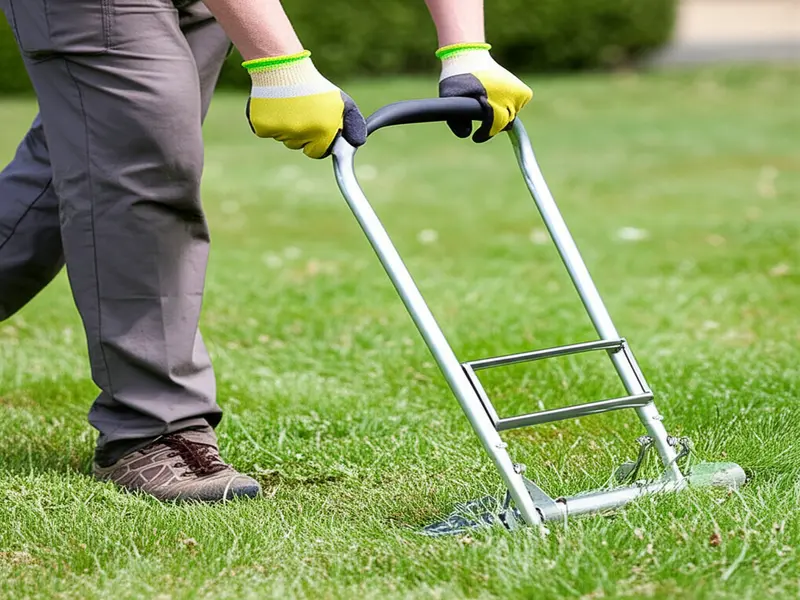
Always wear sturdy, closed-toe shoes with good traction. This will protect your feet from accidental drops of the aerator and provide stability, especially on uneven ground or when dealing with slippery conditions. Hiking boots or robust work boots are ideal.
##### Gloves
Gardening gloves are a must. They improve your grip on the aerator handles, reducing the chance of slippage. More importantly, they protect your hands from blisters, cuts, and abrasures that can occur from prolonged contact with the handles or from accidental scrapes.
##### Eye Protection
When aerating, soil, small stones, and other debris can be ejected. Wearing safety glasses or goggles is crucial to prevent these particles from entering your eyes, which can cause serious injury and temporary or permanent vision impairment.
Safe Operating Techniques: Mastering the Manual Aerator
Beyond preparation, the way you physically use the manual aerator is paramount to your safety and the tool's effectiveness. Mastering these techniques ensures you're working with the tool, not against it.
Proper Grip and Stance
The ergonomics of using a manual aerator are key to preventing strain and maintaining control.
Ergonomics for Efficiency and Safety
Your stance should be balanced and stable. Stand with your feet shoulder-width apart, one foot slightly in front of the other, providing a solid base. When you're ready to push down, bend your knees and use your body weight, not just your upper body strength. This distributes the effort across your legs and core, which are stronger and more resilient to strain than your arms and back alone. Imagine you're performing a controlled squat rather than a strenuous push.
Consistent and Controlled Movement
Avoid jerky, sudden movements. These are not only less effective at penetrating the soil but also increase the risk of losing control or injuring yourself. Instead, aim for a smooth, consistent downward pressure. This allows the tines to penetrate the soil effectively and gives you better command of the tool. If you encounter resistance, don't force it aggressively. Instead, try adjusting your position, slightly shifting your weight, or even reconsidering the soil conditions.
Aerating Techniques for Different Lawn Types
While the core principle of aeration remains the same, understanding the nuances can improve your results and safety.
Core Aeration vs. Spike Aeration
Manual aerators typically fall into two categories: spike aerators (which create holes by pushing solid tines into the ground) and core aerators (which remove a small plug of soil). While both aim to relieve compaction, core aerators generally provide more significant benefits for heavily compacted soil. The technique for using them can differ slightly, with core aerators often requiring a more deliberate twisting motion to extract the soil plug. Always refer to the specific instructions for your type of aerator.
Depth and Spacing of Holes
For optimal results and to avoid overworking your lawn or the equipment, adhere to recommended depths and spacing.
* Depth: For most lawns, aerating to a depth of 2 to 4 inches is sufficient to reach the root zone and alleviate compaction. Pushing deeper than necessary can be strenuous and may not offer additional benefits. * Spacing: The distance between aerated holes is also important. Typically, spacing them about 2 to 6 inches apart is recommended. Too close, and you risk damaging the turf; too far apart, and the benefits might be limited.
These recommendations are based on established lawn care practices designed to promote healthy root growth and soil structure.
Navigating Obstacles and Uneven Surfaces
Your lawn is rarely a perfectly flat, obstacle-free zone. Special care is needed when aerating around garden beds, trees, or on slopes.
Slowing Down and Being Mindful
When you approach trees, shrubs, flower beds, or any area with potential underground root systems, slow down. Be particularly vigilant. If your aerator hits a root or a rock, don't try to force it. Stop, assess the situation, and try to reposition the aerator slightly to bypass the obstruction. Forcing the tool can lead to breakage or a sudden jolt that could cause you to lose balance.
Maintaining Balance on Slopes
Aerating on slopes can be challenging and potentially hazardous. If your lawn has inclines, assess them carefully.
* Avoid Excessively Steep Slopes: For very steep inclines, it's often best to avoid aerating altogether or to use a different method. * Work Across the Slope: If you must aerate a moderate slope, consider working across the contour of the slope rather than directly up and down. This can help maintain better balance and reduce the risk of the aerator sliding or rolling. Always ensure you have a firm footing.
Post-Operation Care and Maintenance
Once you've finished aerating, the job isn't quite done. Proper care of your aerator and your lawn post-aeration will ensure longevity and optimal results.
Cleaning Your Manual Aerator
A clean tool is a long-lasting tool. Soil and debris can cause rust and corrosion if left on your aerator.
Removing Soil and Debris
After each use, take the time to thoroughly clean your manual aerator. Use a stiff brush to remove all soil and grass clippings from the tines, frame, and handles. For stubborn dirt, you can use a hose to rinse it off. A mild detergent can be used if necessary, but ensure it's rinsed off completely.
Drying and Storage
After cleaning, it's crucial to dry the aerator completely. Pay special attention to the metal parts, especially the tines, to prevent rust. Once dry, store your aerator in a clean, dry location, such as a shed or garage. Protecting it from the elements will significantly extend its lifespan and keep it in safe working condition for future use.
Lawn Recovery and Next Steps
Aeration is a process that benefits your lawn over time. Understanding what to expect and how to support your lawn's recovery is part of the overall care.
What to Expect After Aeration
Your lawn will likely have numerous small holes or soil cores scattered across its surface. This is completely normal and a sign that the aeration process has been successful. The soil cores will break down naturally over a few days or weeks.
* Watering and Fertilizing: After aerating, your lawn is in an ideal state to absorb water and nutrients. It's a good time to water your lawn thoroughly and, if necessary, apply fertilizer. This will help the grass recover quickly and benefit from the improved soil aeration.
Common Pitfalls to Avoid: Expert Manual Aerator Safety Tips
Even with the new guidelines, it’s easy to fall into common traps that can compromise safety. Being aware of these pitfalls can help you avoid them.
Overexertion and Fatigue
Manual aeration is a physical activity. Pushing yourself too hard, especially on a large lawn or in hot weather, can lead to serious issues.
Pacing Yourself
Don't try to aerate your entire lawn in one go if it's a large area. Break the task into manageable sections and take regular breaks. Hydrate yourself well, and listen to your body.
Recognizing Signs of Strain
Pay attention to any discomfort or pain. Muscle aches are one thing, but sharp pains or persistent fatigue are signals to stop immediately. Pushing through can lead to injuries that sideline you for weeks.
Ignoring Manufacturer Instructions
While this article provides comprehensive manual aerator safety tips, your specific aerator's manual is an invaluable resource.
The Importance of the User Manual
Manufacturers design their tools with specific operating parameters and safety features in mind. Always read and understand your aerator's user manual. It will contain model-specific advice on assembly, operation, maintenance, and any unique safety precautions.
Using the Wrong Tool for the Job
Not all lawns are created equal, and sometimes a manual aerator isn't the best or safest choice.
Manual vs. Powered Aerators
For heavily compacted soil or very large lawns, a manual aerator can be extremely labor-intensive and may not be effective. In such cases, consider renting a powered aerator. Conversely, for small, moderately compacted areas, a manual aerator is an excellent, cost-effective, and safe option when used correctly.
Distractions While Aerating
Your focus is essential when operating any tool that requires physical exertion and has sharp components.
Focusing on the Task
Avoid distractions like using your phone, engaging in lengthy conversations, or allowing children or pets to play too close while you are actively aerating. Maintain your concentration on your footing, the aerator's position, and your body's movements.
Conclusion
The recent issuance of new safety guidelines for manual lawn aerator use is a welcome development, underscoring the importance of responsible lawn care. By understanding and implementing these updated manual aerator safety tips, you can significantly reduce the risk of injury and ensure that aerating your lawn is a productive and safe endeavor. Remember to always prepare thoroughly by inspecting your equipment and understanding your terrain, utilize the correct personal protective equipment, and employ safe operating techniques. Proper post-operation care of your aerator and lawn will further enhance your efforts.
Don't let the physical demands of manual aeration deter you from achieving a healthier, more vibrant lawn. With the right knowledge and a commitment to safety, you can confidently tackle this essential lawn care task.
Share your own manual aerator safety tips in the comments below! If you found this guide helpful, consider sharing it with fellow gardeners and lawn enthusiasts. For more insights into maintaining a beautiful lawn, explore our guide on choosing the best lawn aerator shoes, which can also contribute to your comfort and safety during aeration tasks.
Comments
Post a Comment