Recalls Highlight Critical Flaws in Non-Waterproof Generator Models
The hum of a generator is often a comforting sound, a promise of continuity when the lights go out. In an era where power outages can disrupt everything from our daily routines to essential services, generators have become indispensable tools for many households and businesses. However, as recent trends in product recalls starkly illustrate, the very devices designed to provide us with power can, under certain circumstances, pose significant and unexpected dangers. A growing number of generator recalls are directly linked to a critical vulnerability: a lack of adequate waterproofing. This isn't just an inconvenience; it's a serious safety concern that demands our attention.
This article will delve into the recent wave of generator recalls, dissecting why non-waterproof models present a substantial risk. We'll explore the common causes behind these recalls, the tangible dangers they expose consumers to, and provide you with the essential knowledge to make informed decisions, ensuring both your safety and the protection of your investment.
Unpacking the Latest Generator Recall Trends
The landscape of consumer product safety is constantly evolving, and the generator market is no exception. In recent times, a noticeable uptick in generator recalls has raised eyebrows and, more importantly, safety concerns among consumers. Understanding the patterns and underlying causes of these recalls is the first step toward mitigating potential risks.
What the Numbers Tell Us
While specific, up-to-the-minute global recall statistics can fluctuate, reports from consumer safety agencies consistently point to a significant number of generator models being flagged for safety defects. For instance, in the past year alone, numerous generator models have been subject to voluntary or mandatory recalls initiated by manufacturers or mandated by regulatory bodies like the U.S. Consumer Product Safety Commission (CPSC). A substantial proportion of these recalls are directly attributable to vulnerabilities that arise when generators are exposed to moisture. This isn't a minor oversight; it indicates a systemic issue with how certain generators are designed and marketed, particularly concerning their ability to withstand environmental elements.
The implications of these recalls are far-reaching. For consumers who own these affected units, it means immediate disruption, the hassle of returning or repairing their equipment, and often, a loss of confidence in their chosen power solution. More critically, it highlights a potential for severe safety incidents that could have been prevented with more robust design considerations.
Common Causes for Recalls in Non-Waterproof Models
The reasons behind generator recalls are varied, but when we focus on models lacking adequate weather resistance, a few key problem areas emerge:
* Electrical Faults: This is perhaps the most dangerous consequence of water ingress. When moisture seeps into the generator's internal components, it can create pathways for electricity to flow where it shouldn't. This can lead to short circuits, causing overheating, potential electrical fires, and, most alarmingly, a severe risk of electrocution to anyone in contact with the unit or connected devices. * Engine Malfunctions: Generators are complex machines with intricate engine systems. Water and moisture can wreak havoc on these delicate components. It can lead to corrosion of internal parts, contamination of fuel and oil, and ultimately, engine performance issues or complete failure. This not only renders the generator useless but can also lead to costly repairs. * Safety Feature Failures: Many modern generators are equipped with crucial safety mechanisms, such as Ground Fault Circuit Interrupter (GFCI) outlets, which are designed to shut off power in the event of a ground fault, and automatic shut-off systems that detect dangerous operating conditions. Water can compromise the integrity and functionality of these vital safety features, leaving users unprotected when they need it most.
Real-World Impact of Recalls
The immediate impact of a generator recall is the inconvenience and potential financial burden placed upon consumers. Having to cease using a critical piece of equipment, navigate the recall process, and potentially wait for a repair or replacement can be incredibly disruptive, especially during an emergency. However, the true cost extends far beyond mere inconvenience. The potential for serious injury, property damage, or even fatality associated with faulty generators underscores that safety must always be the paramount consideration, trumping any perceived cost savings from less robust models.
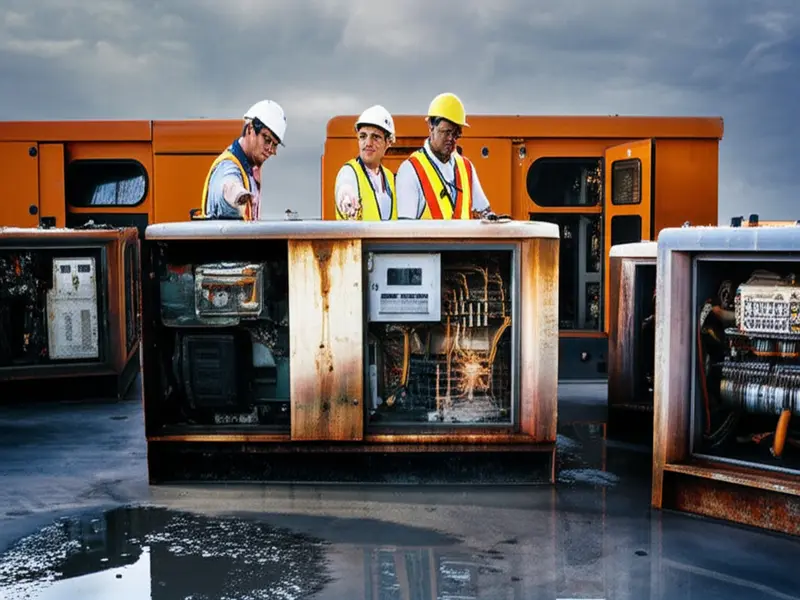
Beyond Convenience: The Hidden Dangers of Exposed Generators
The allure of a portable generator lies in its promise of independence from the grid. However, when this independence is compromised by a lack of weather resistance, the generator can transform from a helpful tool into a serious hazard. The dangers are not always obvious, lurking beneath the surface until a critical moment.
Electrocution Risk: A Silent Killer
Water is a conductor of electricity. This fundamental scientific principle becomes terrifyingly relevant when a non-waterproof generator is exposed to rain, damp ground, or even high humidity. If water enters the generator's casing and comes into contact with live electrical components, it can create a path to the generator's frame and, subsequently, to anyone touching it. This risk is amplified if the generator is not properly grounded.
Consider a scenario where a sudden downpour occurs while a generator is running to power essential appliances. If the generator's enclosure is not sealed against water ingress, moisture can quickly penetrate. This can lead to a dangerous electrical charge building up on the generator's exterior, turning what should be a source of relief into a deadly trap. While specific statistics on generator-related electrocutions are difficult to isolate, reports from emergency services and safety organizations frequently highlight the dangers of using electrical equipment in wet conditions. The National Fire Protection Association (NFPA) consistently warns about the risks of electrocution from improperly used electrical devices, and generators are no exception.
Fire Hazards: When Water Meets Electricity
The interaction between water and electricity within a generator can also ignite fires. A short circuit caused by water ingress can generate intense heat. If this occurs near flammable materials, such as fuel, oil, or even the generator's own plastic components, it can quickly escalate into a serious fire. Such fires not only damage the generator itself but can also spread to surrounding structures, leading to extensive property loss. The National Electrical Safety Foundation (NESF) emphasizes that electrical fires are a significant cause of property damage, and the uncontrolled environment of a generator operating outdoors in wet conditions presents a heightened risk.
Equipment Damage and Costly Repairs
Beyond the immediate safety concerns, moisture is a relentless enemy of mechanical and electrical equipment. For non-waterproof generators, prolonged or even intermittent exposure to dampness can lead to:
* Corrosion: Metal components, including the engine block, fuel tank, and electrical contacts, are susceptible to rust and corrosion when repeatedly exposed to moisture. This can weaken parts, impede functionality, and lead to premature failure. * Component Degradation: Seals, gaskets, and insulation materials can degrade over time when exposed to water and humidity, compromising their protective functions and allowing further ingress. * Fuel and Oil Contamination: Water can mix with fuel and oil, leading to poor combustion, lubrication issues, and internal engine damage.
The cumulative effect of these issues is a significantly shortened lifespan for the generator and a recurring cycle of costly repairs. What might have initially seemed like a more affordable purchase can quickly become a financial drain.
Reduced Performance and Reliability
A generator's primary purpose is to provide reliable power. However, moisture can severely impact its performance:
* Starting Issues: Damp spark plugs or electrical components can make starting the generator difficult or impossible. * Intermittent Power: Fluctuations in power output can occur as internal components are affected by moisture. * Complete Failure: In severe cases, water damage can lead to the generator failing entirely, often at the most inconvenient times, such as during a storm or power outage.
The frustration of a generator failing precisely when it's needed most, especially when that failure is due to a preventable issue like water exposure, cannot be overstated. This unreliability undermines the very reason for owning a generator in the first place.
Navigating the Recall Process: What Consumers Need to Know
When a generator recall is announced, it can feel overwhelming. However, understanding the process and knowing where to find reliable information can help you navigate it effectively and ensure your safety.
Where to Find Official Recall Information
Staying informed about product recalls is crucial. Here are the primary sources for official and reliable recall information:
* Consumer Product Safety Commission (CPSC): In the United States, the CPSC is the leading federal agency responsible for consumer product safety. Their website (www.cpsc.gov) features a comprehensive database where you can search for recalls by product type or manufacturer. They also issue alerts and press releases about significant recalls. It's a vital resource for any consumer concerned about product safety. * Manufacturer Websites: Most reputable generator manufacturers have a dedicated section on their websites for recalls and product safety information. This is often the quickest way to find out if a specific model you own has been affected. They will typically provide model numbers, serial number ranges, and details about the defect and the remedy. * Reputable News Outlets and Consumer Advocacy Groups: Major news organizations and consumer advocacy websites often report on significant product recalls. While these are good sources for awareness, always cross-reference information with official CPSC or manufacturer announcements to ensure accuracy.
Key Information to Look For on a Recall Notice
When you encounter a recall notice, pay close attention to the following details to determine if your generator is affected and what steps you need to take:
* Model Numbers and Serial Numbers: These are the most critical identifiers. Recall notices will specify the exact model numbers and often a range of serial numbers that are part of the recall. * Purchase Dates: Some recalls may be limited to units purchased within a specific timeframe. * Specific Defects Identified: The notice will describe the exact safety issue with the generator. This helps you understand the nature of the risk. * The Remedy Offered: Manufacturers are required to offer a remedy, which can include: * Repair: The manufacturer will provide instructions or arrange for a free repair of the defect. * Replacement: The faulty unit may be replaced with a new, corrected model. * Refund: In some cases, a full or partial refund may be offered.
Steps to Take if Your Generator is Recalled
If you discover that your generator is part of a recall, it's essential to act promptly and follow the manufacturer's instructions carefully:
1. Stop Use Immediately: The moment you confirm your generator is subject to a recall, cease using it. Continuing to use a faulty product can exacerbate the danger. 2. Contact the Manufacturer: Follow the instructions provided in the recall notice to contact the manufacturer. This usually involves visiting their website, calling a dedicated recall hotline, or filling out an online form. Have your generator's model and serial numbers ready. 3. Follow Instructions Carefully: Adhere strictly to the manufacturer's instructions regarding the remedy. This might involve bringing your generator to an authorized service center, shipping it back, or waiting for a repair kit. 4. Document Everything: Keep records of all communication with the manufacturer, including dates, names of representatives you spoke with, and any reference numbers. Also, retain copies of the recall notice and any receipts related to the process. This documentation can be invaluable if any issues arise.
Understanding Your Rights as a Consumer
In many countries, consumer protection laws are in place to ensure that manufacturers are held accountable for defective products that pose a safety risk. These laws often mandate that manufacturers offer a reasonable remedy for recalled items. Familiarizing yourself with your local consumer protection agency's guidelines can empower you during the recall process.
Investing in Safety: Features of Weather-Resistant Generators
The growing awareness of the dangers posed by non-waterproof generators naturally leads to a crucial question: how can consumers ensure they are purchasing a safer, more reliable unit? The answer lies in understanding and prioritizing weather-resistant features.
What "Weather-Resistant" Actually Means
The term "weather-resistant" can sometimes be ambiguous. In the context of generators, it refers to a product's ability to withstand exposure to environmental elements like rain, dust, and humidity without compromising its functionality or safety. A key indicator of a product's resistance to ingress of solids (like dust) and liquids (like water) is its IP rating (Ingress Protection).
An IP rating consists of two digits. The first digit indicates protection against solid objects (e.g., dust), and the second indicates protection against liquids. For generators intended for outdoor use, you'll want to look for higher numbers, particularly for the second digit. For example:
* IPX4: Protected against splashes of water from any direction. This is a common minimum for many outdoor appliances. * IPX5: Protected against water jets from any direction. * IPX6: Protected against strong water jets. * IPX7: Protected against temporary immersion in water.
While no generator is truly "waterproof" in the sense of being submersible indefinitely, a generator with a robust IP rating and a well-designed, sealed enclosure offers significantly better protection against the elements than a standard model.
Key Features to Look For in Weatherproof Models
When shopping for a generator that can handle the elements, keep an eye out for these specific features:
* Sealed Enclosures: The most critical feature is a robust, weather-tight casing that prevents moisture from entering the generator's sensitive internal components. This often means a fully enclosed design rather than an open frame. * Waterproof Outlets and Connectors: Even with a sealed enclosure, the electrical outlets are potential entry points for water. Look for generators with covers or integrated seals on their outlets and connection ports. * Integrated Rain Shields/Covers: Some generators are designed with built-in shields or covers over critical components like the control panel and outlets, offering an additional layer of protection. * Durable Materials: The materials used in the generator's construction are important. Look for corrosion-resistant metals and durable plastics that can withstand outdoor exposure without degrading. * Inverter Technology: Inverter generators are often more enclosed and designed with efficiency in mind. Their compact, sealed designs typically offer better inherent weather resistance compared to traditional open-frame generators.
Types of Generators and Their Weather Resistance
The type of generator you choose can also influence its weather resistance:
* Portable Generators: These vary widely in their weather protection. Open-frame models are generally less resistant, while more modern, enclosed portable units, especially inverter generators, often offer better protection. It's crucial to check the specifications and IP rating for these. * Standby Generators: These are permanently installed units designed for outdoor operation. They are typically built with robust, weather-resistant enclosures and are engineered to withstand various environmental conditions. * Inverter Generators: As mentioned, their enclosed nature often makes them a good choice for weather resistance. They also tend to be quieter and more fuel-efficient, adding to their overall appeal.
The Cost Factor: Is it Worth the Investment?
It's natural to consider the price tag when making a purchase. Weather-resistant or "waterproof" generator models might have a higher upfront cost than their basic counterparts. However, it's essential to view this as an investment rather than just an expense. The long-term costs associated with frequent repairs, potential equipment damage, and, most importantly, the risk of injury or fatality associated with a non-waterproof unit far outweigh the initial price difference. Investing in a generator designed for outdoor resilience is an investment in peace of mind, reliability, and, above all, safety. For those looking to explore options, resources like best waterproof generators can provide valuable insights into available models and their features.
Maximizing Safety and Longevity: Essential Usage Tips
Even with a weather-resistant generator, proper usage and diligent maintenance are paramount to ensuring safety and maximizing its lifespan. The best generator in the world can become a hazard if misused.
Safe Placement is Crucial
Where you place your generator can be as important as the generator itself:
* Never Operate Indoors: This cannot be stressed enough. Generators produce carbon monoxide (CO), a colorless, odorless, and deadly gas. Never operate a generator inside a home, garage, basement, crawl space, or any enclosed or partially enclosed area, even with ventilation. Always ensure at least 20 feet of clearance from doors, windows, and vents. * Elevated Position: Always place your generator on a dry, stable surface. Avoid placing it in low-lying areas that could flood during heavy rain. Using a sturdy platform can help elevate it further. * Distance from Home: Maintain a safe distance from your home and any other structures to prevent exhaust fumes from entering living spaces and to mitigate fire risks. * Using Protective Shelters: While dedicated generator covers or small, open-sided shelters can offer some protection from direct rain, ensure they do not impede ventilation. Proper airflow is critical for preventing overheating and the buildup of hazardous fumes. Never operate a generator inside a fully enclosed structure.
Regular Maintenance for Optimal Performance
A well-maintained generator is a safer and more reliable generator:
* Pre-Operation Checks: Before each use, visually inspect your generator. Look for any signs of damage, loose parts, or corrosion. Check that all covers and guards are in place. * Fluid Checks: Regularly check the oil and fuel levels. Ensure you are using the correct type of fuel and oil as specified by the manufacturer. * Cleaning: Keep the generator clean and free from debris, leaves, and dirt, which can clog air intakes and contribute to overheating. * Professional Servicing: Schedule periodic maintenance checks with a qualified technician. They can identify potential issues that you might miss and ensure all safety systems are functioning correctly.
Understanding Your Generator's Limitations
Even a generator advertised as weather-resistant has its limits. It's crucial to understand these:
* "Weather-Resistant" vs. "Waterproof": Remember that "weather-resistant" does not mean "submersible." Avoid operating your generator in conditions that exceed its rated protection (e.g., heavy flooding). * Extreme Weather: In severe storms, high winds, or torrential rain, it may be safest to disconnect your generator and store it in a dry, protected location, even if it's designed for outdoor use.
Conclusion
The recent surge in generator recalls, particularly those linked to a lack of waterproofing, serves as a critical reminder that not all power solutions are created equal. Non-waterproof generator models present significant risks, including electrocution, fire hazards, equipment damage, and unreliable performance, especially when exposed to moisture. These dangers underscore the imperative for consumers to prioritize safety and choose generators designed with weather resistance in mind.
By understanding the common causes of recalls, knowing where to find official information, and taking the necessary steps if your unit is affected, you can protect yourself and your family. Investing in a generator with robust weather-resistant features, such as sealed enclosures and waterproof outlets, is not merely a purchase; it's an investment in peace of mind and long-term safety. Furthermore, adhering to best practices for generator placement and performing regular maintenance will ensure your generator operates reliably and safely for years to come.
Don't let the convenience of portable power come at the cost of your safety. Be informed, be prepared, and choose wisely.
Share your experiences or any questions you have about generator safety in the comments below!
For those looking to upgrade or purchase a new generator with enhanced safety features, exploring options at gardenitemreviews.com/best-waterproof-generators/ can be a valuable next step.
Comments
Post a Comment