RV Owners Turn to Generators Under $1000 for Affordable Power
The open road beckons, promising adventure, freedom, and breathtaking vistas. For many, the RV lifestyle represents the ultimate escape, a way to disconnect from the everyday and reconnect with nature. However, the dream of off-grid living or convenient campground stays can quickly turn into a power struggle. The rising costs associated with travel, from fuel to campsite fees, often leave RV owners searching for ways to stretch their budgets without sacrificing essential comforts. This is where the quest for reliable, yet affordable, RV power begins. Many assume that a dependable generator is a significant investment, often pushing it out of reach for those on a tighter budget. But what if we told you that powering your RV adventures doesn't have to break the bank? The market is increasingly offering a fantastic array of generators under $1000, making them a popular and practical choice for a growing number of RV enthusiasts. In this guide, we'll delve into why these budget-friendly powerhouses are gaining traction, what essential features you should be looking for, and highlight some of the best RV generator options under $1000 available today, ensuring your next trip is powered by convenience and affordability.
The Growing Trend: Why RVers are Opting for Budget-Friendly Generators
The RV landscape is undergoing a significant transformation. What was once a niche hobby has exploded into a mainstream lifestyle, attracting a diverse demographic of travelers. From weekend warriors seeking quick getaways to full-time nomads embracing life on the road, the appeal of the RV is undeniable. This surge in popularity, however, has also brought with it increased demand and, consequently, rising costs for many aspects of RV ownership and travel. In this environment, RV owners are becoming increasingly savvy, actively seeking out solutions that offer the best value for their money.
This economic pressure, coupled with a desire for greater independence, is driving a significant trend: RV owners are turning to generators under $1000. This isn't about settling for subpar performance; it's about smart purchasing and recognizing that technological advancements have made high-quality, affordable power a reality. The perception that a reliable generator is an expensive luxury is rapidly becoming outdated. Innovations in manufacturing and design have led to more efficient and cost-effective units that still deliver the essential power RVers need.
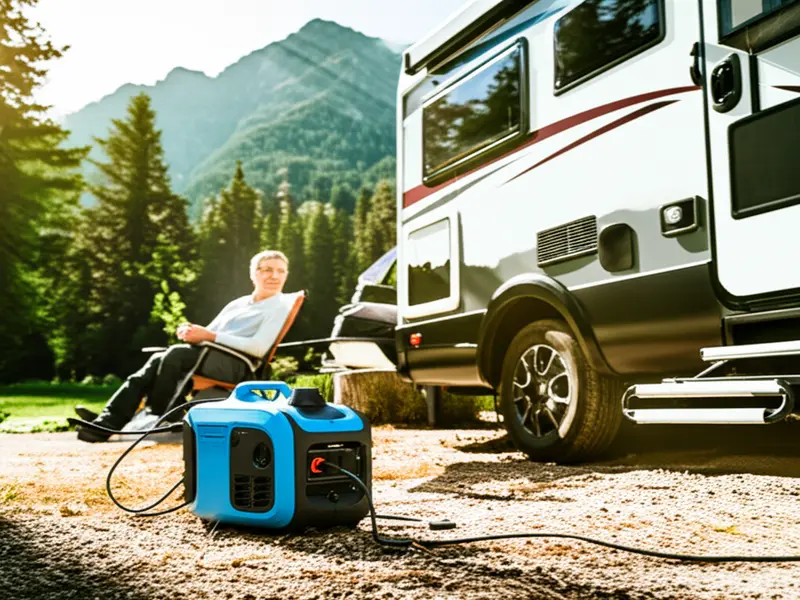
The key benefits of opting for a generator under $1000 are compelling. Firstly, the most obvious advantage is cost savings. This allows RV owners to allocate their budget to other aspects of their travels, like exploring new destinations or upgrading their RV. Secondly, these generators offer unparalleled independence and flexibility. They unlock the possibility of boondocking in remote, beautiful locations where traditional hookups are unavailable. This freedom to explore beyond the confines of established campgrounds is a major draw for many. Furthermore, even smaller generators can power a surprising number of essentials, from keeping your lights on and charging your devices to running fans and small kitchen appliances. Finally, having a generator provides crucial backup power, offering peace of mind during unexpected outages or when shore power simply isn't an option.
The Shifting RV Landscape
The RV industry has seen remarkable growth in recent years. According to the RV Industry Association, new RV shipments have consistently broken records, indicating a strong and growing interest in this mode of travel. This expansion means more people are hitting the road, and with them comes a wider range of needs and budgets. Many new RV owners are discovering the realities of power management and are looking for practical solutions that fit their financial plans. Whether it's a family on their first camping trip or a seasoned traveler looking to reduce operational costs, the demand for affordable power is universal.
Redefining "Affordable" Power
For a long time, the idea of a quiet, reliable RV generator conjured images of hefty price tags, often well into the thousands of dollars. This perception, while understandable, is no longer entirely accurate. The continuous drive for innovation in the power generation sector has democratized access to essential technology. Manufacturers are now producing generators that balance robust functionality with accessible pricing. This means that RVers can find units that are not only budget-friendly but also deliver the clean, stable power required for modern electronics and appliances. This evolution is a testament to engineering advancements that prioritize efficiency and cost-effectiveness without compromising on core performance.
Key Benefits of Generators Under $1000
The appeal of generators under $1000 extends beyond just their price tag. They represent a gateway to enhanced RV experiences:
* Cost Savings: This is the most immediate and tangible benefit. By investing in an affordable generator, RV owners can significantly reduce their reliance on expensive campground power hookups or avoid the costs associated with renting power equipment. * Independence & Flexibility: The ability to power your RV off-grid is a game-changer. It opens up opportunities for exploring national parks, secluded beaches, and remote landscapes without being tethered to a power source. This freedom is a cornerstone of the RV lifestyle for many. * Powering Essentials: While generators in this price range might not run a full-sized air conditioner, they are perfectly capable of powering a multitude of essential RV appliances. This includes running lights, charging phones and laptops, powering fans for ventilation, running a coffee maker, and operating smaller kitchen appliances. * Backup Power: In an unpredictable world, having a backup power source is invaluable. Whether it's a sudden storm knocking out power at a campground or a malfunction with your RV's primary power system, a generator provides a crucial safety net and ensures you can maintain essential functions.
Essential Features to Look for in a Generator Under $1000
When venturing into the world of generators under $1000, it's crucial to understand the key features that will determine your satisfaction and ensure the unit meets your specific RVing needs. Don't just look at the price; delve into the specifications to find the best fit.
Power Output (Wattage): What You Actually Need
The most critical specification for any generator is its power output, measured in watts. Generators typically have two wattage ratings: starting watts (also known as surge watts) and running watts (also known as continuous watts). Starting watts are the higher number required to kickstart appliances with motors (like refrigerators or microwaves), while running watts are the sustained power needed to keep them operating.
To determine your needs, create a list of all the appliances you intend to power simultaneously. Here's a general guide to the power consumption of common RV appliances:
* LED Lights: 5-10 watts * Fans: 20-50 watts * Laptop Charger: 50-100 watts * Smartphone Charger: 10-20 watts * Coffee Maker: 800-1500 watts (starting), 800-1200 watts (running) * Microwave: 1000-1800 watts (starting), 800-1500 watts (running) * Small Refrigerator: 100-200 watts (starting), 50-100 watts (running) * Toaster: 800-1500 watts (starting), 800-1200 watts (running)
Important Note: Running a roof-mounted RV air conditioner (AC) typically requires a generator with at least 3000-4000 starting watts and 1000-2000 running watts, depending on the AC unit's size. Most generators under $1000 will not be able to power a standard RV AC unit. If AC power is a priority, you'll likely need to look at higher-priced models or consider portable AC units that draw less power.
Actionable Advice: Make a list of your "must-have" appliances and their wattage requirements. Add up the running watts and then identify the highest starting wattage among them. Aim for a generator that exceeds your highest starting wattage requirement and comfortably covers the combined running wattage of the devices you'll use simultaneously. For example, if your coffee maker has a starting wattage of 1200W and your lights and fan combined draw 50W, you'll want a generator with at least 1250W starting power. It's always wise to have a little extra headroom.
Fuel Type and Efficiency
The fuel source for your generator impacts its performance, emissions, and convenience. The most common options under $1000 are gasoline and propane, with some models offering dual-fuel capabilities.
* Gasoline: This is the most prevalent fuel type, primarily because gasoline is widely available. * Pros: Easy to find at almost any gas station. * Cons: Can be noisier, produces more emissions, and requires careful storage of fuel cans. * Propane: Often favored for its cleaner burning properties. * Pros: Cleaner emissions, typically quieter operation, and easier to store than gasoline. Many RVs already use propane for other appliances, making it convenient to have a common fuel source. * Cons: Availability might be less widespread than gasoline in remote areas, and propane tanks can be bulky. * Dual-Fuel: These generators offer the best of both worlds, allowing you to switch between gasoline and propane. * Pros: Incredible flexibility. If one fuel source is scarce, you can switch to the other. * Cons: Can sometimes be slightly more expensive than single-fuel models.
Fuel Efficiency: Beyond the fuel type, consider the generator's fuel efficiency. This is often measured by its runtime on a full tank. A longer runtime means fewer interruptions for refueling, which is especially important during extended trips or when you're relying on the generator for overnight power.
Noise Level (dB): A Crucial Consideration for RVing
This is perhaps one of the most overlooked, yet critically important, features for RV generators. Campground etiquette and neighborly consideration dictate that your generator should be as quiet as possible. High noise levels can lead to complaints and a less enjoyable experience for everyone.
Noise is measured in decibels (dB). For context, a normal conversation is around 60 dB, and a vacuum cleaner is about 70 dB. Generators under $1000 can range significantly in noise levels.
* Conventional (Open-Frame) Generators: These are typically louder, often producing 70-80 dB or more. They are generally more affordable and offer more raw power for their size but are not ideal for quiet operation. * Inverter Generators: These are significantly quieter, often operating in the 50-60 dB range. They use advanced technology to produce cleaner power and are much more fuel-efficient and quieter. For RVing, especially in established campgrounds, an inverter generator is highly recommended.
When looking at specifications, aim for a generator with a dB rating below 60-65 dB for comfortable use in most camping environments.
Portability and Size
Your generator needs to be manageable to transport and store in your RV. Consider its weight and dimensions. Many generators under $1000 are designed with portability in mind, featuring sturdy handles and sometimes even integrated wheel kits.
* Weight: Most portable generators in this category will weigh between 40 and 100 pounds. While manageable for most individuals, consider if you'll need assistance lifting it. * Dimensions: Ensure it will fit in your RV's storage compartments or designated generator area.
Inverter vs. Conventional Generators
As touched upon in the noise section, the distinction between inverter and conventional generators is vital for RV owners.
* Inverter Generators: These are the modern marvels of portable power. They produce a "clean" sine wave power output, which is stable and consistent. This is crucial for sensitive electronics like laptops, smartphones, cameras, and modern RV appliances that can be damaged by the fluctuating power output of conventional generators. Inverter generators also adjust their engine speed based on the power demand, making them significantly more fuel-efficient and quieter. For most RV applications, especially if you plan to power electronics, an inverter generator is the superior choice. * Conventional Generators: These are the older, more traditional style of generators. They typically have an open-frame design and produce power at a constant engine speed, regardless of the load. This results in a less stable power output (a modified sine wave or less clean sine wave) and higher fuel consumption and noise levels. While they can be more powerful for their price, the quality of power is not suitable for sensitive electronics.
Recommendation: For RV use, especially if you plan to charge devices or run any modern appliances, an inverter generator is almost always the better investment, even if it means a slightly higher upfront cost within the sub-$1000 bracket. The benefits of clean power, fuel efficiency, and quiet operation far outweigh the drawbacks.
Top Picks: The Best RV Generators Under $1000 in 2024
Navigating the vast market to find the best RV generator under 1000 can be daunting. While specific models and prices fluctuate, here are some highly regarded options that consistently offer excellent value and performance within this budget. Remember to check current pricing and availability.
[Generator Brand/Model 1 Name] - The All-Rounder
This generator is a popular choice for its excellent balance of features and affordability. It typically offers around 2000-2200 starting watts and 1600-1800 running watts, making it suitable for powering essential RV appliances.
* Key Features: Often a parallel-capable inverter generator, meaning you can link two units together for double the power. It usually runs on gasoline and boasts a noise level in the 50-60 dB range. Runtime on a full tank is typically 6-8 hours at 50% load. * Pros: Versatile, parallel capability, relatively quiet, good fuel efficiency, and reliable performance for its price point. * Cons: May not have as many outlets as some higher-end models. * Ideal For: Solo RVers, couples, or small families who need to power lights, charge devices, run a fan, and perhaps a small appliance like a coffee maker. * Estimated Price Range: $600 - $850
[Generator Brand/Model 2 Name] - The Quiet Champion
If noise is your absolute top priority, this model often stands out. It's designed with noise reduction technology at its core.
* Key Features: Typically an inverter generator with a wattage output similar to the all-rounder (around 1800-2000 starting watts). Its standout feature is its exceptionally low dB rating, often dipping into the high 40s or low 50s at 25% load. * Pros: Extremely quiet operation, making it ideal for noise-sensitive campgrounds or for those who value peace and tranquility. Still provides clean power for electronics. * Cons: May be slightly more expensive than other options with similar wattage, and might have a slightly shorter runtime than some competitors. * Ideal For: RVers who frequently camp in quiet, established campgrounds or those who are particularly sensitive to noise and want the most peaceful experience possible. * Estimated Price Range: $700 - $950
[Generator Brand/Model 3 Name] - The Powerhouse on a Budget
For those who need a bit more grunt without significantly exceeding the $1000 mark, this generator often delivers.
* Key Features: This model might lean towards a slightly higher wattage, perhaps around 2500-3000 starting watts and 2000-2500 running watts. It could be an inverter generator or a more robust conventional unit with good noise dampening. * Pros: Can handle slightly more demanding appliances or a greater number of devices simultaneously. Offers a strong power output for the price. * Cons: Might be slightly louder than the "Quiet Champion" or have a slightly shorter runtime due to higher fuel consumption. * Ideal For: RVers who want to power a few more items, perhaps including a small microwave or a more powerful coffee maker, in addition to their essential devices. * Estimated Price Range: $800 - $1000
[Generator Brand/Model 4 Name] - The Fuel-Flexible Option (Dual-Fuel)
This generator offers the ultimate convenience by running on both gasoline and propane.
* Key Features: Typically an inverter generator with a wattage output in the 2000-2200 range. The dual-fuel capability is its main selling point, offering flexibility in fuel sourcing. * Pros: Unmatched fuel flexibility. If you run out of gas, you can switch to propane, and vice-versa. Propane also tends to burn cleaner, potentially extending the generator's lifespan. * Cons: Can sometimes be a bit pricier than single-fuel models, and the wattage might be slightly lower than comparable gasoline-only units. * Ideal For: RVers who value versatility and want the assurance of having multiple fuel options, especially for longer trips or in areas where fuel availability might be uncertain. * Estimated Price Range: $750 - $980
##### Honorable Mentions
* [Another Brand/Model]: A solid performer known for its durability and straightforward operation, often available slightly below the $1000 mark. * [Yet Another Brand/Model]: A compact and lightweight option, ideal for those who prioritize ease of transport but might offer slightly less power.
When making your final decision, always consult detailed reviews and compare specifications across different models. Websites like Garden Item Reviews provide in-depth comparisons and user feedback that can be invaluable in finding the best RV generator under 1000 for your specific needs.
---
Beyond the Purchase: Maintenance and Safety Tips for Your Generator
Purchasing the best RV generator under 1000 is just the first step. To ensure its longevity, reliable performance, and your safety, proper maintenance and responsible operation are paramount. Think of it as taking care of a valuable travel companion.
Essential Maintenance for Longevity
Regular upkeep will significantly extend the life of your generator and prevent costly repairs.
* Regular Checks: Before each use, and periodically during storage, check the oil level. Most generators use standard small engine oil. Also, inspect the air filter for dirt and debris and clean or replace it as needed. Spark plugs can also become fouled over time and may need cleaning or replacement. * Fuel Storage: If you use gasoline, store it properly in approved containers away from heat and direct sunlight. For longer storage periods (over a month), it's highly recommended to use a fuel stabilizer or run the generator dry to prevent fuel degradation and carburetor issues. * Running It Periodically: Even if you don't use your generator frequently, it's crucial to run it for about 15-20 minutes every few months. This keeps the engine lubricated, ensures the fuel system remains functional, and helps prevent seals from drying out. * Cleaning: Keep the exterior of your generator clean. Dust, dirt, and debris can clog air intakes and vents, leading to overheating. A simple wipe-down after use and before storage is usually sufficient.
Safety First: Operating Your Generator Responsibly
Generators are powerful tools, and their operation requires strict adherence to safety guidelines. The most critical danger associated with generators is carbon monoxide (CO) poisoning.
* Carbon Monoxide (CO) Dangers: CO is a colorless, odorless gas produced by burning fossil fuels. Inhaling it can be fatal. NEVER run a generator indoors, in a garage, under an RV awning, or in any enclosed or poorly ventilated space. Even partially enclosed areas can trap deadly CO fumes. * CO Detectors: It is strongly recommended to have working carbon monoxide detectors installed inside your RV. These devices can provide an early warning if CO levels rise to dangerous levels. * Placement: Always operate your generator outdoors, at least 20 feet away from your RV, windows, doors, and vents. This ensures that exhaust fumes are dispersed by the wind and do not enter your living space. * Refueling: Allow the generator to cool down completely before refueling. A hot engine can ignite spilled fuel, leading to a fire. * Grounding: For safety, ensure your generator is properly grounded according to the manufacturer's instructions. This helps prevent electrical shock. * Weather: Protect your generator from rain and extreme weather conditions. While many are designed for outdoor use, prolonged exposure to water can cause damage or create electrical hazards. Consider a generator cover if you anticipate rain.
Following these maintenance and safety protocols will not only protect you and your fellow campers but also ensure your generator serves you reliably for many adventures to come. For more detailed safety information, always refer to your generator's owner's manual and consult resources from organizations like the Consumer Product Safety Commission (CPSC).
---
Maximizing Your Generator's Potential: Tips for Efficient Use
Once you have your generator up and running, you'll want to make the most of its capabilities and ensure you're using power efficiently. This not only saves fuel but also extends the runtime between refueling.
Strategic Power Management
The key to efficient generator use is mindful power consumption.
* Prioritize Appliances: Understand which appliances are essential and which can wait. Run high-wattage appliances one at a time. For instance, don't try to run your microwave and coffee maker simultaneously if your generator is on the lower end of the wattage spectrum. * Utilize "Eco Mode": Many modern inverter generators feature an "Eco Mode" or "Economy Mode." When engaged, this setting automatically adjusts the engine speed to match the electrical load. If you're only running a few low-power devices, the engine will run at a lower, more fuel-efficient speed, significantly reducing fuel consumption and noise. * Combine Power Sources: If you are at a campground with shore power, use it whenever possible. The generator can then serve as a backup or be used only for specific needs, like charging batteries when you're away from the RV.
Extending Runtime
Getting the most out of each tank of fuel is crucial for extended boondocking or when power hookups are unavailable.
* Fuel Efficiency: As mentioned earlier, choosing a fuel-efficient generator is the first step. Inverter generators are generally much more efficient than conventional models. * External Fuel Tanks (with caution): Some generators are designed to accept larger, auxiliary fuel tanks. This can significantly extend runtime. However, always ensure you are using compatible and approved accessories, and be aware of any safety or legal implications regarding fuel storage and transport. Consult your generator's manual and local regulations.
Powering More Than Just Your RV
The versatility of a portable generator extends beyond your RV.
* Tailgating and Outdoor Events: Use your generator to power lights, music, or small appliances at sporting events, concerts, or backyard gatherings. * Home Backup: In a pinch, a portable generator can provide essential power for your home during an outage, keeping refrigerators running and charging communication devices.
By adopting these efficient usage habits, you can maximize the value and utility of your generator, making your RV adventures more comfortable and cost-effective. For more tips on living off the grid, check out our guide to RV Boondocking Tips.
---
Conclusion
The dream of powering your RV adventures without a hefty price tag is no longer a distant fantasy. With the increasing availability and quality of generators under $1000, reliable and affordable power is within reach for a wide range of RV owners. These budget-friendly units offer the freedom to explore remote locations, the convenience of powering essential devices, and the peace of mind that comes with having a backup power source.
The key takeaway is that understanding your individual power needs is paramount. By carefully considering the wattage requirements of your essential appliances, prioritizing features like fuel type and noise level, and opting for an inverter generator for cleaner power, you can make an informed decision. The best RV generator under 1000 is not a one-size-fits-all solution, but rather the one that best aligns with your specific travel style and budget.
Don't let power limitations dictate where you can go or what you can do on your RV journeys. Embrace the affordability and capability of modern generators. Start exploring the options available today, and get ready to power your next adventure with confidence and convenience! What are your must-have RV appliances that require power? Share your thoughts in the comments below!
Comments
Post a Comment