Small Yard Owners Prefer Dethatcher-Aerator Combos for Space Savings
The dream of a lush, green lawn often clashes with the reality of modern living, especially for those with smaller outdoor spaces. We envision vibrant turf, but our garages and sheds tell a different story – a crowded jumble of lawn care equipment. For many, the sheer volume of individual tools like dethatchers and aerators becomes a significant storage headache. This is where a clever innovation is making waves: the dethatcher-aerator combo tool. These versatile machines are proving to be a revelation for small yard owners, offering a practical and efficient solution to maintain beautiful lawns without sacrificing precious space. In this post, we'll delve into why these dual-purpose marvels are becoming the go-to choice for compact garden enthusiasts, exploring their benefits, key features, and how they can revolutionize your lawn care routine.
The Space Crunch: A Growing Concern for Small Yard Owners
Defining "Small Yard" in Today's Landscape
The concept of a "small yard" is becoming increasingly prevalent. As urban and suburban landscapes evolve, lot sizes have generally shrunk. This trend is driven by a variety of factors, including population density, the rising cost of land, and a demographic shift towards smaller, more manageable homes. Many homeowners, particularly first-time buyers and those downsizing, find themselves with compact outdoor areas that still require diligent care. This isn't just about aesthetics; a well-maintained small yard can significantly enhance the overall appeal and value of a property, even if it’s just a few hundred square feet. The challenge, however, lies in accommodating the necessary tools for this upkeep.
The Storage Headache: Where Do All the Tools Go?
For any homeowner who takes pride in their lawn, a collection of specialized tools is often a necessity. Mowers, trimmers, edgers, leaf blowers, and of course, dethatchers and aerators – each serves a specific purpose in achieving that coveted green carpet. But when your storage space is limited, this collection quickly becomes a logistical nightmare. Sheds overflow, garages become impassable obstacle courses, and finding the right tool when you need it can feel like an archaeological dig. This clutter not only consumes valuable space but can also detract from the sense of order and tranquility you seek in your home and garden.
Consider the common scenario: you need to dethatch your lawn, but the dethatcher is buried under a pile of other equipment. Or perhaps you finally locate the aerator, only to realize it’s bulky and difficult to maneuver around tight flowerbeds. This is the everyday struggle for many small yard owners. The desire for a healthy lawn is met with the frustrating reality of managing a multitude of often cumbersome tools.
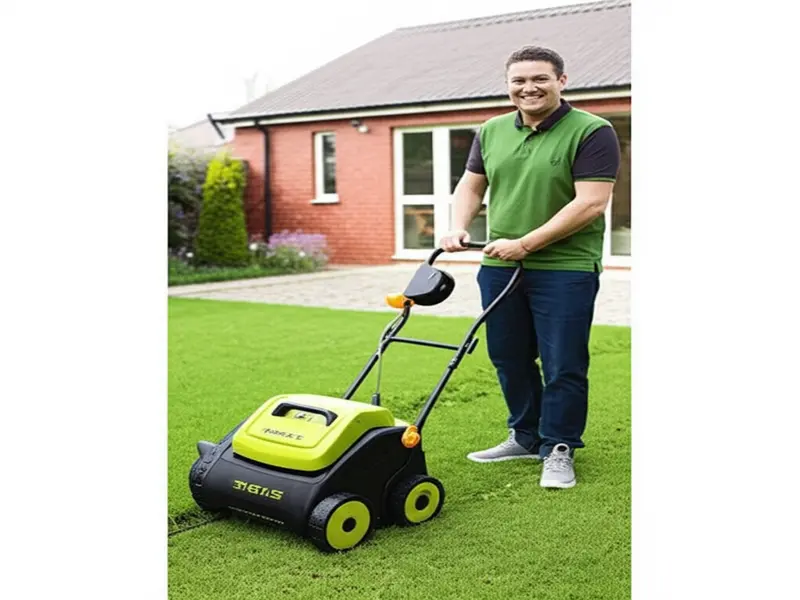
The Ingenuity of the Dual-Purpose Tool
Understanding the Core Functions: Dethatching and Aerating
Before we dive into the magic of combo tools, let's quickly recap what dethatching and aerating actually do for your lawn. These are two fundamental processes for maintaining a healthy, vibrant turf, and understanding their individual benefits highlights why combining them is so smart.
Dethatching: Over time, your lawn naturally accumulates a layer of dead grass, roots, and organic matter between the green blades and the soil. This layer is known as thatch. While a thin layer of thatch can be beneficial, a thick layer (more than half an inch) acts like a sponge, preventing essential elements from reaching the soil. It can suffocate grass roots, harbor pests and diseases, and create a spongy, uneven surface. A dethatcher, whether manual or powered, uses tines or blades to rake out this excess thatch, allowing air, water, and nutrients to penetrate the soil and reach the grass roots effectively. This process revitalizes the lawn, encouraging new growth and improving its overall resilience.
Aerating: Soil compaction is another common enemy of a healthy lawn, particularly in high-traffic areas or on clay-heavy soils. When soil becomes compacted, it squeezes out air pockets, making it difficult for water, nutrients, and oxygen to reach the grass roots. This leads to weak, shallow root systems, increased susceptibility to drought, and a generally unhealthy appearance. Aeration involves creating small holes or plugs in the soil, which relieves compaction and opens up pathways for vital resources. This promotes deeper root growth, improves drainage, and allows the lawn to breathe, leading to a thicker, greener, and more robust turf.
The Space-Saving Advantage: One Tool, Two Jobs
This is where the dethatcher-aerator combo truly shines for small yard owners. Instead of needing to purchase, store, and maintain two separate pieces of equipment, you can achieve both essential lawn care tasks with a single, integrated unit. Imagine freeing up the space that was previously occupied by a dedicated dethatcher and a separate aerator. This consolidated approach can translate to reclaiming a significant portion of your storage area, making your shed or garage much more organized and accessible.
Think of it like the evolution of kitchen gadgets. We moved from separate peelers, slicers, and dicers to multi-functional food processors. Similarly, the dethatcher-aerator combo offers a streamlined approach to lawn care, consolidating functionality without compromising on performance. For those with limited square footage, this dual-purpose design isn't just convenient; it's a necessity.
Cost-Effectiveness and Value Proposition
Beyond the obvious space-saving benefits, dethatcher-aerator combos often present a compelling cost-effective solution. Purchasing two separate, quality tools can be a significant investment. By opting for a combo unit, you can often acquire both functionalities for a price that is less than or comparable to buying two individual machines. This means you're not only saving space but also potentially saving money. Furthermore, owning fewer tools means less maintenance, fewer potential repairs, and a simpler overall ownership experience, adding to the long-term value proposition.
Navigating the Market: What Makes a Combo Tool "Small Yard Friendly"?
When you start exploring the world of dethatcher-aerator combo tools, you'll find a variety of options. However, for small yard owners, certain features are particularly crucial to ensure ease of use, effectiveness, and seamless integration into their limited space.
Power Source Considerations: Electric vs. Gas
The power source of your combo tool is a primary consideration, especially for smaller yards.
* Electric (Corded & Cordless): * Pros: Electric dethatcher-aerator combos are generally lighter, quieter, and more environmentally friendly than their gas-powered counterparts. Corded models offer unlimited run time as long as they're plugged in, while cordless models provide greater freedom of movement. They are also typically easier to start and maintain. * Cons: Corded electric models require managing a power cord, which can be cumbersome and a tripping hazard in smaller, more intricate yards. Cordless models are limited by battery life, meaning you might need to swap batteries or recharge mid-task, though battery technology is rapidly improving. * Ideal for: These are often the best choice for smaller, more accessible yards where cord management isn't a major issue or where the convenience of a cordless model outweighs the need for extended run times.
* Gas-Powered: * Pros: Gas-powered units typically offer more power and longer run times, making them suitable for larger areas or tougher jobs. * Cons: They are heavier, noisier, require more maintenance (oil changes, fuel, spark plugs), and produce emissions. * Ideal for: While powerful, gas models might be overkill for very small yards and can be more difficult to maneuver in tight spaces. However, if your "small yard" is on the larger end of the spectrum or has particularly challenging soil conditions, a gas model might still be worth considering.
Size and Weight: Maneuverability is Key
For small yards, the physical dimensions and weight of a dethatcher-aerator combo are paramount. A tool that is too large or heavy will be difficult to navigate around flower beds, garden furniture, and tight corners.
* Compact Design: Look for models with a relatively compact footprint. This makes them easier to store and more agile when in use. * Lightweight Construction: A lighter tool reduces user fatigue, especially when you're working in a confined space and need to make frequent turns or lift the machine over obstacles. * Ergonomic Features: Features like ergonomic handles, adjustable grips, and well-placed controls can significantly improve maneuverability and comfort. Swivel wheels can also be a great asset for easier steering. * Example: For a small yard, you might aim for a combo tool that weighs under 40 pounds and has a working width of around 14-18 inches. This size offers a good balance between coverage and maneuverability.
Depth Adjustment and Effectiveness
The effectiveness of a dethatcher-aerator combo hinges on its ability to adjust the depth of its tines or blades.
* Tailored Lawn Care: The ability to adjust the dethatching depth allows you to remove only the excess thatch without damaging the healthy grass. Similarly, adjustable aerator tines ensure you're creating sufficient holes for aeration without overly disturbing the soil. * Tine Quality: The material and design of the tines are critical. For dethatching, look for sharp, durable tines that can effectively rake out matted debris. For aerating, robust, hollow tines (for plug aeration) or spike tines (for spike aeration) are essential. * E-E-A-T Element: Proper depth adjustment ensures that the tool is working effectively to improve lawn health without causing undue stress or damage. Over-aerating or over-dethatching can be detrimental, so precise control is key.
Durability and Build Quality
Even with smaller yards, you want a tool that will last. Investing in a well-built combo tool means fewer replacements and less hassle in the long run.
* Robust Materials: Look for tools constructed from sturdy materials like steel for the frame and blades, and high-quality, impact-resistant plastic for other components. * Reputable Brands: Research brands known for their durability and customer satisfaction in the lawn care equipment market. * Internal Link Suggestion: For more general advice on selecting lawn equipment, check out our guide on How to Choose the Right Lawn Mower for Your Small Garden.
Ease of Maintenance and Storage
The convenience factor extends to how easy the tool is to clean and store after use.
* Simple Cleaning: Features like easily removable tines or accessible components make cleaning much simpler. * Compact Storage: Some models offer foldable handles or a compact design that allows them to be stored vertically or in tight spaces, further maximizing your storage efficiency. * E-E-A-T Element: Regular maintenance, such as cleaning the tines and checking for wear, will prolong the life of your combo tool and ensure it performs optimally for years to come.
Voices from the Field: What the Experts and Users Say
Hearing from professionals and actual users can provide invaluable insights into the real-world benefits and considerations of dethatcher-aerator combo tools.
Lawn Care Professional's Perspective
Master Gardeners and landscape architects often emphasize the importance of regular dethatching and aeration for optimal lawn health, regardless of yard size. They understand that even small lawns can suffer from thatch buildup and soil compaction, especially with increased foot traffic or specific soil types.
"For homeowners with limited space, a quality dethatcher-aerator combo is a smart investment," notes horticulturalist Dr. Eleanor Vance. "It simplifies the process, reduces clutter, and ensures that two critical lawn care tasks are addressed efficiently. The key is to choose a model that is appropriately sized and powered for their specific needs, allowing for precise control over depth and maneuverability."
Professionals often highlight that these tools, when used correctly, contribute significantly to a lawn's ability to withstand stress, absorb water, and maintain a vibrant green color. They are particularly beneficial for homeowners who may not have the luxury of professional lawn care services and need effective DIY solutions.
Real-World Experiences: What Small Yard Owners Are Saying
Anecdotal evidence from small yard owners who have adopted dethatcher-aerator combos is overwhelmingly positive. Many report a newfound sense of organization and ease in their lawn care routines.
"Before, I had a separate dethatcher that took up a whole corner of my shed," shares Mark, a homeowner in a suburban area with a quarter-acre lot. "Now, with my combo tool, I’ve freed up that space and can actually walk around in there! Plus, it does a fantastic job of both dethatching and aerating my lawn, which has never looked better."
Another user, Sarah from Brooklyn, echoes this sentiment: "Living in the city, every square foot counts. This combo tool has been a lifesaver! I finally have my shed back and can easily maintain my small backyard lawn. It’s powerful enough for my needs and so much easier to store than separate machines."
Addressing Common Concerns and Misconceptions
One common concern among potential buyers is whether a combo tool can perform as effectively as two separate, dedicated machines. The answer is generally yes, provided you choose a reputable model and understand its capabilities.
* "Is it powerful enough?" For most small to medium-sized yards, electric or lightweight gas combo tools offer ample power. The effectiveness is also dependent on proper usage and understanding when your lawn needs these treatments. * "Is it difficult to use?" Modern combo tools are designed with user-friendliness in mind. Features like ergonomic handles, simple controls, and lighter weights make them accessible for a wide range of users.
The key is to manage expectations. A combo tool is designed for efficiency and space-saving. While it might not have the brute force of a professional-grade, heavy-duty separate machine, it delivers excellent results for the typical small yard owner.
Making the Most of Your Combo Tool: A Practical Guide
Once you've invested in a dethatcher-aerator combo, integrating it effectively into your lawn care routine will maximize its benefits.
When to Dethatch and Aerate for Optimal Lawn Health
The timing of dethatching and aeration is crucial for promoting a healthy lawn and depends on your grass type and climate.
* Cool-Season Grasses (e.g., Kentucky Bluegrass, Fescue, Ryegrass): The best times for dethatching and aerating are during their active growing seasons: early spring and early fall. This allows the lawn to recover quickly from the stress of the treatment. * Warm-Season Grasses (e.g., Bermuda, Zoysia, St. Augustine): These grasses benefit most from dethatching and aeration in late spring or early summer, when they are actively growing and can recover efficiently.
How to determine if your lawn needs treatment:
* Dethatching: If you can easily push a garden fork into the thatch layer and it’s more than half an inch thick, it’s time to dethatch. * Aerating: If your soil is compacted (water doesn't drain well, grass feels spongy underfoot, or you see signs of stress like wilting during moderate weather), it's likely time to aerate.
Step-by-Step Usage Guide (Simplified)
1. Preparation: Mow your lawn to a height of about 2-3 inches. This makes it easier for the dethatcher and aerator tines to work effectively. 2. Choose Your Function: Select whether you want to dethatch or aerate using the tool's settings. 3. Adjust Depth: Set the appropriate depth for your lawn's needs. Start with a shallower setting if you're unsure. 4. Operate: Slowly and steadily guide the tool over your lawn. For dethatching, you might go in multiple directions (e.g., lengthwise and then widthwise) to ensure thorough thatch removal. For aerating, a single pass in overlapping rows is usually sufficient. 5. Clean Up: Rake up and dispose of the loosened thatch and soil plugs. 6. Post-Treatment Care: Water your lawn thoroughly after dethatching and aerating. You may also want to apply a light layer of compost or overseed. 7. Safety First: Always wear appropriate safety gear, including gloves and eye protection. Read your tool's manual thoroughly before operation.
Internal Link Suggestion: For a comprehensive overview of essential lawn care tasks, refer to our guide on 5 Essential Lawn Care Tasks for a Healthy Green Lawn.
Beyond the Basics: Complementary Small Yard Lawn Care
While your dethatcher-aerator combo is a powerful tool, it's part of a larger lawn care strategy. Remember to also focus on:
* Proper Watering: Water deeply and less frequently to encourage deep root growth. * Appropriate Mowing: Mow at the correct height for your grass type and keep your mower blades sharp. * Fertilization: Use a balanced fertilizer at the right times of the year. * Weed and Pest Control: Address any issues promptly to maintain lawn health.
By combining the efficiency of your combo tool with these other practices, you can achieve a truly stunning small yard.
External Link Suggestion: For detailed guidance on manual lawn care tools and their applications, explore resources like Best Manual Lawn Aerators.
Conclusion
For the growing number of homeowners with limited outdoor space, the dethatcher-aerator combo tool is more than just a lawn care gadget; it's a smart, space-saving solution. By consolidating two essential functions into one efficient machine, these combo tools alleviate the storage woes that plague many small yard owners. They offer a practical way to improve lawn health, enhance its appearance, and contribute to a more organized and enjoyable outdoor living experience.
The ability to dethatch and aerate with a single tool not only frees up valuable storage space but also often presents a more cost-effective approach to lawn maintenance. When choosing a combo tool, prioritizing features like electric power options, compact design, lightweight construction, and adjustable depth settings will ensure it's perfectly suited for the demands of a small yard.
Ready to reclaim your shed space and give your small yard the care it deserves? Start exploring the world of dethatcher-aerator combos today and discover how this innovative solution can transform your lawn care routine!
Comments
Post a Comment