Winter-Proof Generators: Your Essential Guide to Staying Powered Through Harsh Cold
The biting wind howls, snow piles up against your windows, and the temperature plummets. For many, this is the quintessential image of a harsh winter. While beautiful in its own way, this kind of weather also brings with it a significant threat: power outages. When the electricity goes out during a prolonged cold snap, homes can quickly become uncomfortable, even dangerous. For families, the loss of heating, lighting, and the ability to cook or communicate can be a deeply unsettling experience. This is where the unsung hero of winter preparedness steps in: the winter resistant generator.
In this comprehensive guide, we'll delve into why these specialized generators are not just a luxury but a necessity for many households facing severe winter weather. We'll explore what makes a generator truly "winter-proof," the different types available to suit various needs, and how to select the perfect unit for your home. We'll also cover essential maintenance and safety tips to ensure your generator is ready when you need it most. By the end of this article, you'll have a clear understanding of how winter resistant generators can be your family's reliable lifeline through the harshest cold.
Understanding the Impact of Harsh Winter Weather on Power Grids
Winter storms are more than just an inconvenience; they are a significant stressor on our nation's power infrastructure, leading to widespread and often prolonged outages. Understanding how these storms impact the grid is the first step in appreciating the value of a reliable backup power source.
The Vulnerability of Traditional Power Sources
Our modern electrical grid is a complex network of power plants, transmission lines, substations, and distribution networks. While remarkably resilient, it is not immune to the destructive forces of extreme winter weather. Heavy snowfall, ice accumulation, and high winds can wreak havoc on this delicate system.
* Ice Storms: These are particularly devastating. As freezing rain coats power lines, the added weight can cause them to sag, snap, or pull down utility poles entirely. Thicker ice accumulation can lead to catastrophic failures across vast areas. * Blizzards and Heavy Snowfall: The sheer weight of deep snow can also damage power lines and substations. High winds accompanying blizzards can exacerbate these issues, causing lines to sway violently, leading to short circuits or physical breaks. * Extreme Cold: Sub-zero temperatures can affect the performance of electrical equipment, making it more susceptible to failure. In some regions, extreme cold can even lead to increased demand for electricity, straining the grid's capacity.
Data from organizations like the U.S. Energy Information Administration (EIA) consistently show that winter storms are among the leading causes of major power outages. For instance, a single severe ice storm can leave millions without power for days, sometimes even weeks, depending on the extent of the damage and the speed of restoration efforts. This highlights the inherent vulnerability of relying solely on a grid that can be so easily disrupted by nature's fury.
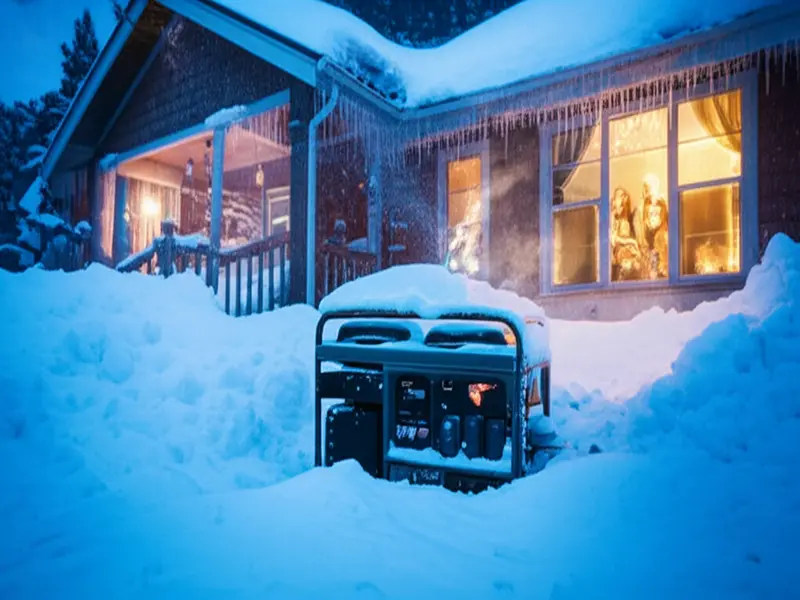
The Domino Effect of Power Loss
When the power goes out during a winter storm, the consequences extend far beyond simply losing the lights. It triggers a cascade of problems that can impact every aspect of daily life and pose serious risks to health and safety.
* Loss of Heating: For most homes, heating systems rely on electricity. Without power, temperatures inside can drop rapidly, leading to dangerous conditions, especially for infants, the elderly, or individuals with chronic health conditions. * No Lighting: Darkness can increase the risk of accidents and make it difficult to perform even basic tasks. * Inability to Cook: Electric stoves and microwaves become useless, limiting food options and potentially leading to reliance on less healthy alternatives or the inability to prepare warm meals. * Communication Breakdown: Internet routers, landline phones (if not powered by the grid), and even cell phone charging can become impossible, isolating families and hindering their ability to seek help or stay informed. * Frozen Pipes: As indoor temperatures plummet without heating, water pipes can freeze and burst, causing significant water damage and costly repairs. * Spoiled Food: Refrigerators and freezers stop working, leading to the loss of perishable food items. * Health Concerns: For individuals who rely on powered medical equipment (e.g., oxygen concentrators, CPAP machines), a power outage can be life-threatening. * Security Issues: Without lighting and the ability to monitor security systems, homes can become more vulnerable.
Consider a scenario where a blizzard hits a rural community. Power lines are down, roads are impassable, and temperatures are well below freezing. Families are huddled together, trying to stay warm with blankets, but the cold seeps in. Food supplies dwindle, and the inability to communicate with the outside world creates immense anxiety. This is precisely the kind of situation where a winter resistant generator transforms from a convenience into an essential lifeline, providing the power needed to maintain warmth, light, and communication.
What Makes a Generator "Winter-Proof"? Key Features to Look For
Not all generators are created equal, especially when it comes to performing reliably in the harsh conditions of winter. A true "winter-proof" generator, or more accurately, a winter resistant generator, is designed with specific features to overcome the challenges posed by freezing temperatures and inclement weather.
Cold Weather Starting Capabilities
The most significant hurdle for any engine in freezing temperatures is starting. Cold air is denser, and engine oil becomes more viscous, making it harder for the engine to turn over and ignite. Winter resistant generators are engineered to combat these issues:
* Electric Start: This is almost a non-negotiable feature for winter use. Fumbling with a pull cord in freezing gloves is not only inconvenient but can also be physically taxing. An electric start, powered by a robust battery, ensures you can start the generator with the push of a button, even in sub-zero temperatures. * Cold Weather Carburetor: The carburetor is responsible for mixing fuel and air. In extremely cold conditions, moisture can freeze within the fuel lines or carburetor, preventing fuel flow. Generators designed for cold weather often have specialized carburetors or fuel systems that are less prone to icing. * Battery Warmers/Insulators: A cold battery loses its cranking power significantly. Some high-end winter resistant generators may include integrated battery warmers or insulation to keep the battery at an optimal operating temperature, ensuring it has the necessary power to start the engine.
Fuel Type and Storage Considerations
The fuel source of your generator plays a critical role in its winter performance and your ability to keep it running.
* Propane (LPG): Propane is an excellent choice for cold weather. Unlike gasoline, propane has a much lower boiling point, meaning it vaporizes readily even in freezing temperatures. This makes it less susceptible to fuel line freezing. It also offers longer storage life than gasoline. * Natural Gas: If your home is already connected to a natural gas line, a standby generator fueled by natural gas offers the ultimate convenience and reliability. You won't have to worry about storing fuel; as long as the natural gas supply is uninterrupted, your generator will run. * Gasoline: While common and readily available, gasoline can present challenges in winter. At very low temperatures, gasoline can "gel" or form a waxy substance, clogging fuel filters and carburetors. It's crucial to use a quality fuel stabilizer designed for cold weather and to store gasoline in a safe, temperature-controlled environment if possible. * Diesel: Diesel fuel can also be problematic in extreme cold. It can suffer from "fuel waxing," where the paraffin in diesel fuel solidifies, clogging filters. Using winter-blend diesel fuel or adding anti-gel additives is essential if you plan to run a diesel generator in freezing temperatures.
Safe fuel storage is paramount, especially in winter. Always store fuel in approved containers in a well-ventilated area away from heat sources and living spaces.
Durability and Weather Protection
A generator needs to withstand the physical onslaught of winter weather, not just the cold.
* Enclosed Design: Many modern winter resistant generators, particularly standby units, feature a fully enclosed design. This robust casing protects the engine and internal components from snow, ice, rain, and wind, preventing damage and ensuring continuous operation. * Material Quality: The materials used in the generator's construction are important. Components should be made of durable metals and plastics that can withstand extreme cold without becoming brittle and cracking. * IP Ratings: You might see Ingress Protection (IP) ratings on some generators. While not always specific to winter, higher IP ratings (e.g., IP23 or higher) indicate better protection against solid objects and water ingress, which is beneficial in snowy or rainy conditions.
Noise Levels and Environmental Considerations
While not strictly a "winter-proofing" feature, it's worth noting that many modern generators, including those designed for robust performance, are increasingly focused on quieter operation. This can be a significant benefit during extended power outages when the generator might be running for long periods. Additionally, responsible generator use, including proper ventilation and adherence to emissions standards, is always important, regardless of the season.
Types of Winter-Proof Generators for Different Needs
Choosing the right type of winter resistant generator depends on your specific needs, budget, and the size of your home. Here's a breakdown of the most common options:
Portable Generators
Portable generators are the most common type and offer a good balance of affordability and functionality for many households.
* Pros: * Versatility: They can be used for various purposes, from powering essential appliances during an outage to providing electricity for camping or job sites. * Affordability: Generally less expensive than standby units. * Ease of Relocation: Can be moved around your property as needed. * Cons: * Limited Power Output: While some larger portable units can power a significant portion of a home, they typically can't run everything simultaneously. * Manual Refueling: Requires you to manually add fuel, which can be inconvenient and potentially hazardous in extreme weather. * Manual Start-up: Many require a pull start, though electric start options are increasingly common. * Ideal Use Cases: Perfect for powering a few essential items like your refrigerator, a few lights, a medical device, or a sump pump. They are a great starting point for those looking for basic backup power. You can find excellent portable winter resistant generators that offer improved cold-start capabilities.
Standby (Whole-House) Generators
Standby generators are permanently installed outside your home and are connected directly to your home's electrical system.
* Pros: * Automatic Power Restoration: They automatically detect a power outage and start up within seconds, providing seamless power to your entire home. * High Power Output: Capable of running all your appliances, heating systems, and electronics simultaneously. * Professional Installation: Ensures the unit is correctly and safely integrated with your home's electrical panel. * Cons: * Higher Initial Cost: Significantly more expensive than portable generators, both for the unit and installation. * Professional Maintenance Required: Typically require annual professional servicing to ensure optimal performance. * Ideal Use Cases: For families who cannot afford to be without power for any extended period, especially those with critical medical needs or who live in areas prone to frequent and prolonged outages. These are the ultimate winter resistant generators for comprehensive home protection. Whole-house units often range from 8 kW to 20 kW or more, providing ample power for even large homes.
Inverter Generators
Inverter generators are a type of portable generator that produces cleaner, more stable power.
* Pros: * Fuel Efficiency: They operate at variable speeds, adjusting engine output based on demand, which significantly improves fuel economy. * Cleaner Power Output: Produce "clean" sine wave power, which is safe for sensitive electronics like laptops, smartphones, TVs, and modern appliances. * Quieter Operation: Generally much quieter than conventional portable generators. * Cons: * Typically Lower Wattage: While improving, they often have lower maximum wattage compared to conventional portable generators of a similar size. * Higher Cost per Watt: Can be more expensive per watt than traditional portable generators. * Ideal Use Cases: Excellent for powering sensitive electronics and for situations where noise is a significant concern. They are a great option for keeping essential devices charged and running during an outage, especially if you have a medical device or need to work from home. You can find winter resistant generators in inverter models that offer improved cold-weather performance.
Selecting the Right Winter-Proof Generator for Your Home
Choosing the correct winter resistant generator is a crucial decision that requires careful consideration of your needs and circumstances. Here’s a step-by-step guide to help you make an informed choice.
Assessing Your Power Needs
The first and most critical step is to determine how much power you need. Overestimating can lead to unnecessary expense, while underestimating means you won't be able to power what you need most.
* Calculate Wattage: Make a list of all the appliances and devices you want to power during an outage. For each item, find its wattage rating (usually on a sticker on the appliance itself or in its manual). * Running Watts: The continuous power an appliance needs to operate. * Starting Watts (Surge Watts): Many appliances, especially those with motors (like refrigerators, air conditioners, or well pumps), require a significant surge of power to start up. This can be 2-3 times their running wattage. You need to ensure your generator can handle the highest starting wattage of any single appliance you plan to run, plus the running wattage of other appliances. * List of Essential Appliances: A typical list might include: * Refrigerator: 100-200 running watts, 400-600 starting watts * Lights (LED): 10-20 watts each * Furnace Fan: 500-1000 running watts, 1000-1500 starting watts * Sump Pump: 750-1500 running watts, 1500-3000 starting watts * Microwave: 800-1500 running watts * Laptop: 50-100 watts * Medical Equipment (e.g., CPAP): Varies widely, check device specifications.
Add up the running watts of all the appliances you want to run simultaneously. Then, identify the appliance with the highest starting watts and add that to your total running wattage. This will give you a good estimate of the generator's required capacity.
Fuel Source: Convenience vs. Availability
Your choice of fuel source will impact convenience, cost, and reliability during an outage.
* Propane/Natural Gas: If you have access to natural gas or are comfortable with propane tanks, these offer the advantage of a continuous or easily replenishable fuel supply. For extended outages, this is a significant benefit. * Gasoline/Diesel: These are widely available but require careful storage and consideration for potential gelling in extreme cold. If you opt for gasoline, ensure you have a safe storage plan and consider purchasing a fuel stabilizer specifically for winter use.
Consider your local fuel availability and your personal preferences. If you live in an area where propane is readily available and you have a large propane tank for home heating, powering a generator with it might be the most convenient option.
Budget Considerations
The cost of winter resistant generators varies significantly based on type, power output, and features.
* Portable Generators: You can find basic models starting from a few hundred dollars, while more powerful, feature-rich units can cost upwards of $1,500-$3,000. * Standby Generators: These are a significant investment, with prices typically ranging from $3,000 to $10,000 or more, not including installation costs which can add several thousand dollars. * Inverter Generators: Prices generally fall between portable and standby generators, often ranging from $500 to $2,500, depending on wattage and features.
When considering your budget, remember that a reliable generator is an investment in your family's safety, comfort, and peace of mind. The cost of not having power during a severe winter storm – from potential property damage (frozen pipes) to health risks – can far outweigh the initial cost of a generator.
Brand Reputation and Reviews
Don't underestimate the importance of brand reputation. Stick with well-known manufacturers that have a track record of producing reliable generators and offering good customer support. Before making a purchase, take the time to read user reviews on various retail websites and consumer forums. Real-world experiences from other users can provide invaluable insights into a generator's performance, durability, and ease of use in various conditions. For those looking for the best options, resources like best weatherproof generators can offer valuable comparisons and recommendations.
Essential Maintenance and Safety Tips for Winter Generator Use
Owning a winter resistant generator is only half the battle; ensuring it's properly maintained and operated safely is crucial for its longevity and your family's well-being.
Pre-Winter Checks and Maintenance
Before the first frost hits, it's essential to give your generator a thorough check-up.
* Fluid Levels: Check the engine oil and coolant levels (if applicable). Top them up as needed with the manufacturer-recommended type. * Battery Health: Inspect the battery for corrosion, ensure terminals are clean and tight, and check its charge. If it's an older battery, consider replacing it before winter. * Fuel System: Inspect fuel lines and the tank for any signs of leaks or damage. If you're using gasoline, ensure it contains a fuel stabilizer. * Spark Plugs and Air Filters: Clean or replace spark plugs and air filters as per the manufacturer's recommendations. A clean air filter ensures proper engine combustion. * Regular Testing: It's a good practice to run your generator for about 15-20 minutes once a month, even outside of winter. This keeps internal components lubricated, prevents fuel system issues, and ensures it's ready to go when needed.
Safe Operation in Cold Weather
Operating a generator in winter requires extra caution.
* Placement is Crucial: NEVER run a generator indoors, in a garage, or any enclosed space, even with the door open. Generators produce deadly carbon monoxide (CO) gas. Always place generators outdoors, at least 20 feet away from your home and any windows, doors, or vents. Ensure the exhaust is directed away from your house. * Protection from Elements: While generators are designed to be durable, prolonged exposure to heavy snow or ice can still be detrimental. Use a generator cover or an all-weather enclosure, but ensure it doesn't obstruct airflow to the engine's cooling vents. * Extension Cords: Use only heavy-duty, outdoor-rated extension cords that are appropriately sized for the appliance and the distance. Ensure they are free of cracks or damage and are not run through water or snow. * Refueling: Always turn off the generator and allow it to cool down completely before refueling. Hot engines can ignite fuel vapors.
Carbon Monoxide (CO) Safety
Carbon monoxide is an invisible, odorless, and deadly gas produced by fuel-burning engines. This cannot be stressed enough:
* Install CO Detectors: Ensure you have working carbon monoxide detectors installed on every level of your home, especially near sleeping areas. Test them regularly and replace batteries as needed. * Know the Symptoms: Be aware of the symptoms of CO poisoning, which include headache, dizziness, nausea, vomiting, and confusion. If you suspect CO poisoning, get everyone to fresh air immediately and call emergency services.
Professional Servicing
For standby generators, annual professional servicing is highly recommended. For portable units, consider having them professionally inspected every few years, especially if they are used frequently or are older. A qualified technician can identify potential issues before they become major problems.
Conclusion
As winter storms continue to pose a threat to our power grids, the importance of reliable backup power cannot be overstated. Winter resistant generators are not merely an appliance; they are a vital component of a resilient home, ensuring your family's safety, comfort, and connection during the harshest cold. From their specialized cold-weather starting capabilities and robust weather protection to the diverse range of types available to suit every need, these generators offer peace of mind when it matters most.
We've explored what makes a generator truly "winter-proof," the different types like portable, standby, and inverter models, and the critical factors to consider when selecting the right unit for your home – from assessing your power needs to understanding fuel sources and budgeting. Crucially, we've emphasized the non-negotiable aspects of safe operation and essential maintenance. A well-maintained and properly operated winter resistant generator is an investment that pays dividends in security and well-being.
Don't wait for the next power outage to realize your vulnerability. Plan ahead, assess your needs, and invest in a reliable backup power solution. Your family's comfort and safety through the winter depend on it.
Ready to secure your home against winter's power challenges? Explore our comprehensive selection of winter-proof generators today and find the perfect solution for your family's needs. If you're unsure where to start, download our free guide to calculating your home's power requirements to make an informed decision. For personalized advice and expert recommendations, contact our team of backup power specialists for a consultation.
Comments
Post a Comment